Last updated November 22, 2026
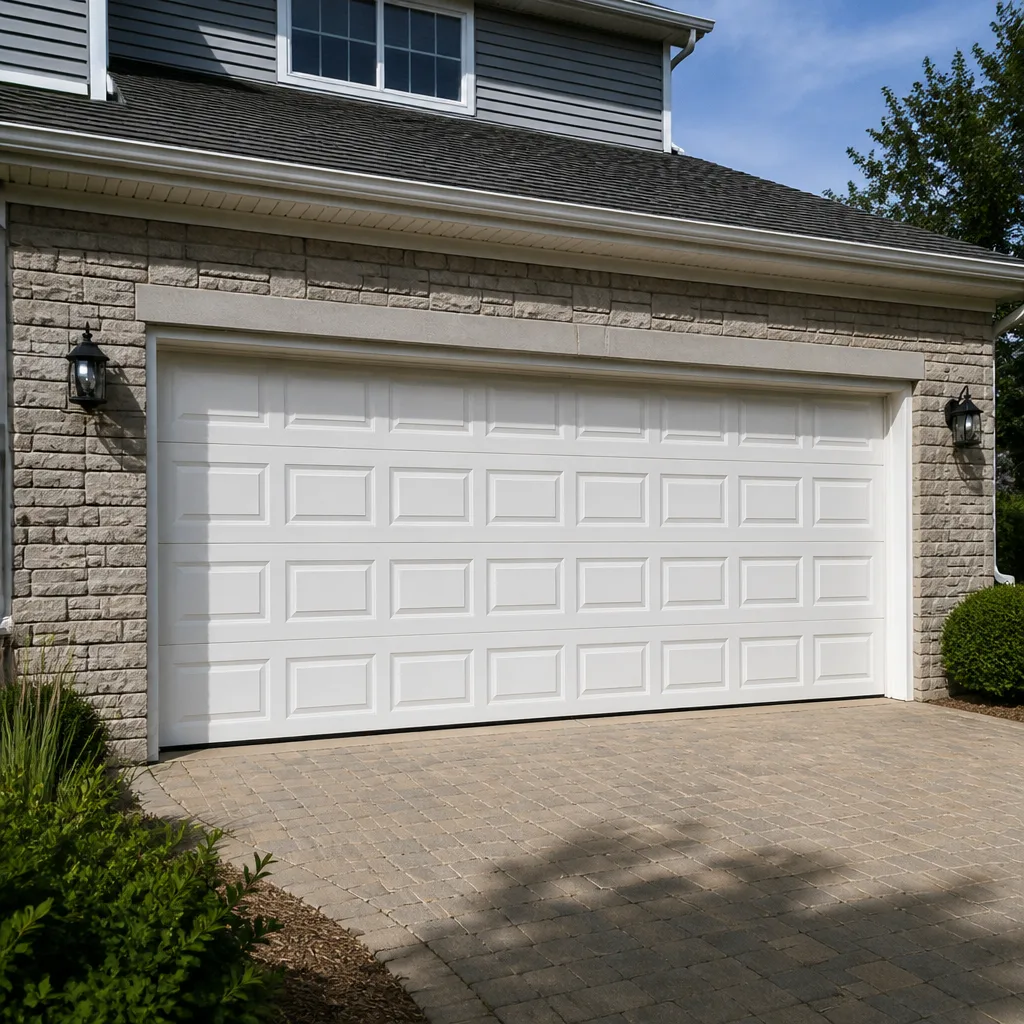 Raised-panel steel
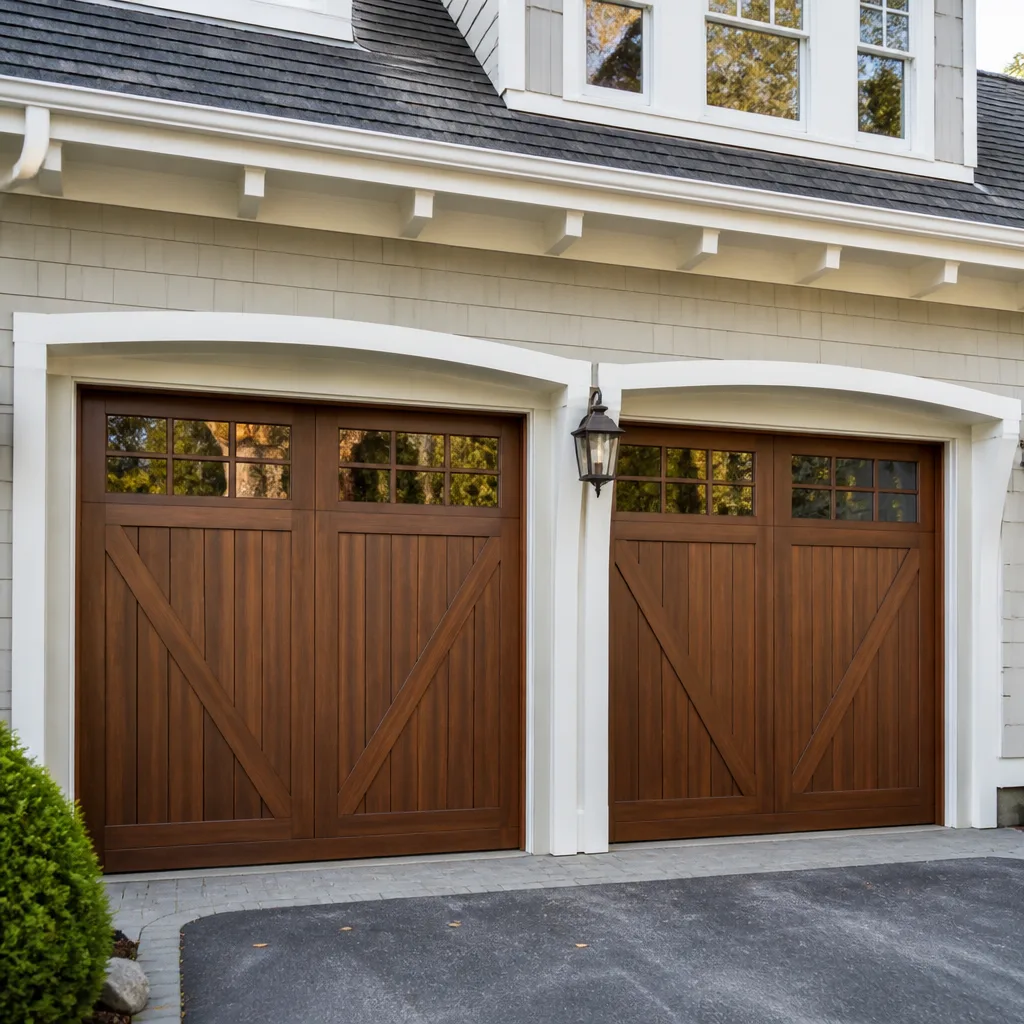 Carriage house
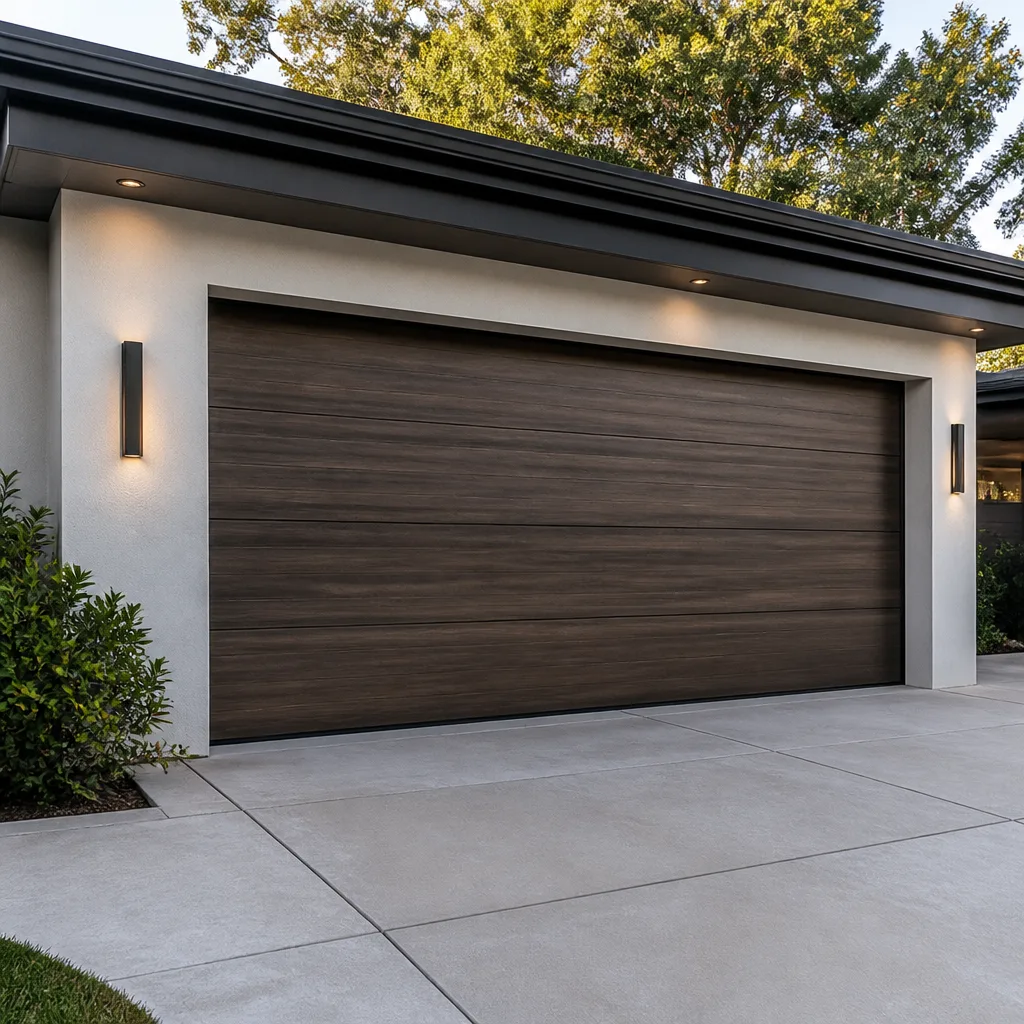 Modern flush
 Full-view glass
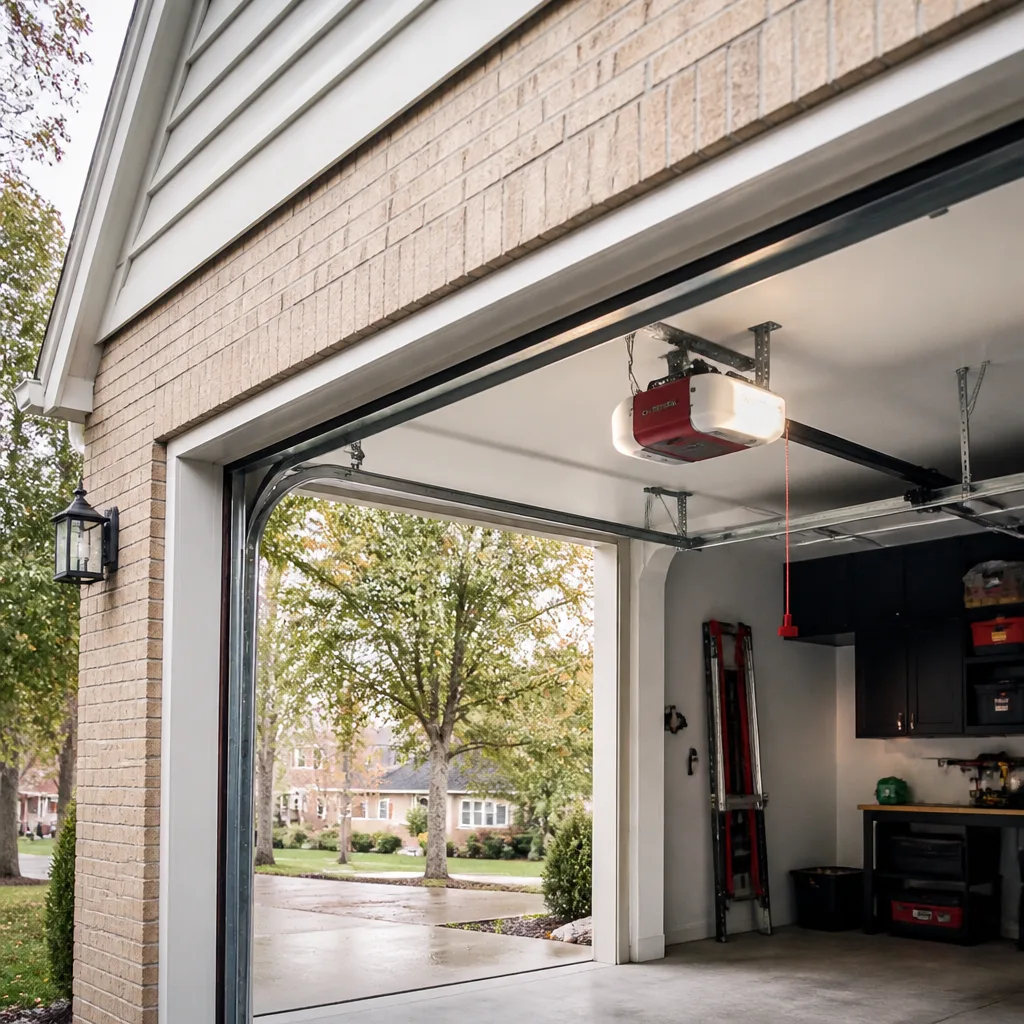 LiftMaster openers
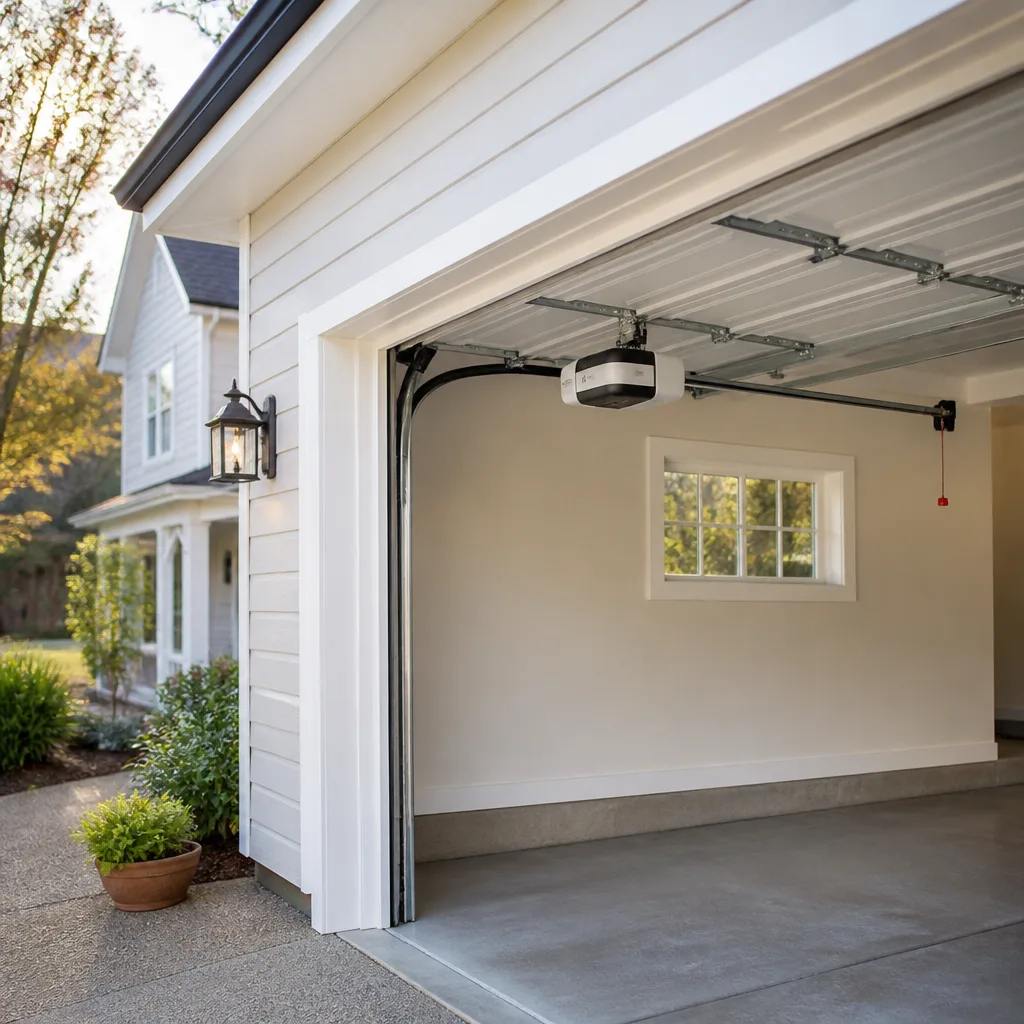 Chamberlain openers
Full 25-point door and opener safety check with every visit - springs, cables, rollers, tracks, and your LiftMaster or Chamberlain opener included
You get a price before we start. It does not change when the pro arrives.
Get your free estimateDIY vs Professional Garage Door: The Pompano Beach Homeowner’s Decision Guide
Most DIY-versus-pro arguments about garage doors get the question wrong. They frame it as a skill contest, as if the only variable is whether you’re handy enough. It isn’t. A torsion spring holds more stored energy than a loaded firearm, and that’s not a scare tactic, it’s the physics of why that one job is never a DIY call no matter how many videos exist. Yet the same door that will kill you if you touch the spring has weatherstripping, photo-eye sensors, and remotes that a capable homeowner can absolutely handle. In this guide we draw that line precisely for Pompano Beach homeowners: what to never touch, what you can safely do yourself, what Florida permitting means for a new door, and where DIY genuinely saves money versus where a botched attempt costs far more to undo.
Quick Answer
Some garage door work is safe for a careful homeowner and some of it can seriously injure or kill you, and the difference is mechanical, not a matter of skill. Springs, cables, bottom brackets, and the drums they’re wound around are never DIY. Weatherstripping, sensor alignment, lubrication, and remote programming are reasonable DIY tasks. Anything involving a new door, an opener replacement, or a permit belongs with a licensed professional, and in Pompano Beach that line is worth knowing before you pick up a wrench.
Styles & brands we work with
- Raised-panel steel
- Carriage house
- Modern flush
- Full-view glass
- LiftMaster openers
- Chamberlain openers
Table of Contents
- Where the DIY Line Actually Falls
- The Hard “Never DIY” List, and Why
- Legitimate DIY Tasks That Save Real Money
- Florida Code, Permits, and the DIY Installation Trap
- Tool and Parts Sourcing in Pompano Beach
- Cost Comparison: Where DIY Saves and Where It Costs 40% More
- Brand Fluency and Why It Matters
- Common Mistakes to Avoid
Where the DIY Line Actually Falls
The garage door is the largest moving object in most Pompano Beach homes, and it’s also the one component that combines heavy steel, high tension, and electricity in a single unit. That combination is why the DIY line isn’t a straight skill gradient. It’s a set of specific, identifiable hazards with specific tasks on either side.
Think of the door in three layers. The outermost layer is the seal, the sensors, the track surface, and the electronics you interact with from the outside: remotes, keypads, wall buttons. All of that is low-energy and forgiving. The middle layer is the opener and its drive system, which runs on household current and does real work but is contained. The innermost layer is the counterbalance system: the springs, the cables, the drums, and the bottom brackets. That layer stores enough energy to move a door that weighs well over a hundred pounds, and it does so whether or not the opener is powered.
Here in South Florida, that counterbalance works harder than in cooler climates. Heat and humidity are rough on lubricant, on cable, and on the seals that keep the door quiet and the interior dry. A garage door in Pompano Beach faces year-round thermal expansion on the panels and tracks, which is why track misalignment and hardware rattle show up here as routine maintenance rather than rare faults. None of that changes where the DIY line falls. It just means the low-energy layer, the seals and sensors and hardware, needs attention more often than a homeowner from a milder climate might expect.
We’ve seen the whole range. Homeowners who’ve never held a socket wrench do a fine job replacing a bottom seal. Homeowners who remodel their own kitchens still shouldn’t touch a torsion spring. The line is about energy stored in the door, not about you.
The Hard “Never DIY” List, and Why
Here is the part of the door you do not work on yourself, regardless of confidence or the number of tutorials you’ve watched. Each item carries a mechanical reason it’s dangerous, not a vague warning.
Torsion springs
A torsion spring is wound under enormous tension and held by set screws and a winding bar. Releasing that tension incorrectly turns the spring, the bars, and any tool in the way into projectiles in a fraction of a second. There’s no slow failure here, and there’s no second chance. Torsion spring replacement is the single most dangerous task in this trade, which is exactly why it’s a specialty rather than a general handyman job.
Extension springs
Extension springs run along the horizontal tracks and stretch rather than twist, but they store the same energy and often fail violently. Older extension springs without a safety containment cable are especially dangerous. Replacing them means de-energizing the door safely, and that’s a trained-technician call.
Cable drums and cables
The cables run from the bottom brackets up to the drums at the top of the shaft, and they carry the spring’s tension. A cable under load can snap with enough force to cause severe lacerations or worse. Cutting, adjusting, or re-seating a cable is a live-tension task and is never a homeowner job.
Bottom brackets
The bottom bracket is where the cable attaches to the door, and it sits under the full pull of the spring. Any work on or near it, including loosening the bolts to adjust a crooked door, can release stored energy. If a bottom bracket is bent or a cable is loose, that’s a professional diagnosis, not a tightening job.
Anything touching the opener’s electrical connection
Low-voltage opener wiring is one thing, but the 120-volt supply to the opener and any hardwired connection is not. If a new opener install requires new electrical, that’s an electrician or an installer qualified to make the connection, not a weekend project.
If any of that work is already failing on your door, the safe move is a call, not a search for a bigger wrench. Our garage door spring repair service exists because this is the most commonly botched DIY job in the trade, and it’s the one with the worst consequences when it goes wrong.
Legitimate DIY Tasks That Save Real Money
Now the good news, and there’s plenty of it. A capable homeowner can handle a real share of routine door care without touching stored energy, and the savings are honest. Here’s what’s reasonable.
- Weatherstripping and bottom seals. A worn bottom seal lets in rain, insects, and hot air, and it makes the door rattle. Removing the old seal and sliding in a new one is low-risk. It’s also one of the highest-return jobs in a Pompano Beach garage, where keeping humidity out matters year-round.
- Photo-eye sensor alignment. If the door reverses immediately after closing, the safety sensors are usually misaligned or dirty. Wiping the lenses and nudging the brackets until each indicator light comes on is a five-minute job with no injury risk.
- Lubrication. Rollers, hinges, and the torsion spring itself should get a light coat of a spray lubricant made for garage doors. Do this on the hardware, not on the track surface, and keep it away from the opener’s chain or belt where it can attract grit. In South Florida’s humidity, a little lubrication goes a long way toward a quieter door.
- Remote and keypad programming. Pairing a new remote or changing a keypad code is in the opener’s manual and is safe on any brand, whether it’s a LiftMaster, a Chamberlain, or a Genie. It’s also a good first stop when a door “won’t respond.”
- Track cleaning and visual inspection. Wiping the tracks, checking for loose bolts on the hinges, and looking for frayed cables or bent brackets are safe. If the inspection finds cable damage or a bent bottom bracket, stop and call.
- Replacing rollers and hinges. With the door fully closed and the opener unplugged, swapping rollers and hinges is a reasonable task for someone comfortable on a ladder, because the spring tension is at rest when the door is down.
That list is real money. A new bottom seal and a set of rollers cost little, and doing them yourself avoids a service call. What’s on this list stays on this list precisely because it never fights the springs.
Florida Code, Permits, and the DIY Installation Trap
Here is where the DIY-versus-pro question changes character in Broward County. Replacing seals and sensors is a maintenance task. Installing a new door unit, or replacing an existing one with a different model, is generally treated as a construction permit item, and in most Broward County scenarios a homeowner-led installation can void your ability to pull the permit cleanly.
The reason is straightforward. A garage door is a structural, load-bearing component of the home’s wind-load envelope, and South Florida’s building code treats it seriously. Permitting authorities want the installation to match the manufacturer’s instructions and the product’s approval for this region. When a homeowner installs a door themselves and later needs a permit or an inspection, the paperwork and the site conditions often don’t line up, and that’s when the trouble starts.
That’s why a new door is not a DIY project here, even for a confident homeowner. The permit is the work. If you’re planning a replacement, ask your city’s building department what’s required for your specific property before you order anything, because requirements vary. We always tell Pompano Beach homeowners the same thing: let the permit and the manufacturer’s spec drive the decision, not the box store’s sale price. A permitted, professionally installed door also tends to appraise and insure more cleanly, because the paperwork exists.
If you’re at the planning stage, our garage door installation page walks through what a permitted replacement involves from measure to final adjustment.
Tool and Parts Sourcing in Pompano Beach
Here’s a reality of the local market that catches people mid-project: the parts that matter aren’t reliably on a shelf in Pompano Beach. A big-box store will sell you a universal bottom seal and a can of lubricant. It will not sell you the correct torsion spring for your door’s weight and height, and that’s the part you can’t improvise.
Springs are matched to the door. A spring sized for one weight and cycle count will fail fast or not lift the door at all if you guess. The same is true of opener drive parts, which vary by brand and model. A LiftMaster logic board isn’t interchangeable with a Chamberlain’s, and a Raynor door’s track hardware won’t match a store’s generic rack. Professionals source through supplier accounts that stock the correct part the first time, which is why a repair call often finishes in one visit while a DIY attempt runs into multiple trips and the wrong part.
This matters more in the neighborhoods that make up much of Pompano Beach, where homes range from older block construction to newer builds and doors vary widely in age and brand. A door that looks standard in one neighborhood may have a nonstandard spring size in another. Without the right gauge and a parts source, you’re guessing.
Cost Comparison: Where DIY Saves and Where It Costs 40% More
DIY saves real money on the low-risk tasks and can cost far more than a professional repair when it’s applied to the wrong job. Here’s a rough look at where the money goes. The ranges below are typical estimates for an ordinary Pompano Beach garage door, and a written estimate always sets the final price.
- Bottom seal replacement: DIY is inexpensive and a service visit costs a modest flat amount. Either path is reasonable.
- Sensor alignment or remote programming: DIY is essentially free, and it’s often the whole fix.
- Lubrication and hardware check: DIY costs a can of lubricant and an hour. No professional visit needed.
- Torsion spring replacement (one spring): This is a professional job. A matched pair is usually replaced together and runs roughly double a single-spring price. Do not attempt it yourself.
- Opener repair or replacement: A professional diagnosis is usually worth the visit, because the correct part has to be sourced by brand and model.
- New door installation: Professional, permitted, and scheduled. Not a DIY job in Broward County.
Where does the 40% figure come from? Consider a botched repair. A homeowner diagnoses a noisy door, decides the opener is failing, buys a replacement, and installs it. The noise doesn’t stop, because the actual problem was a worn roller or a misaligned track. Now the repair is two jobs, and the new opener costs more than the original repair would have. A botched spring attempt is worse in every sense: injury risk plus a door left hanging. The rule of thumb is simple. DIY on the low-energy layer. On the high-energy layer, the cost of getting it right the first time is a fraction of the cost of anything else.
Brand Fluency and Why It Matters
Part of what makes a professional call worth it is knowing the door. Our technicians work on eight of the most widely installed garage door and opener brands in the country: LiftMaster, Chamberlain, Genie, Clopay, Amarr, Wayne Dalton, Craftsman, and Raynor. That fluency matters because each brand has its own failure modes and its own parts. A Craftsman opener from a home built decades ago may need a part the store doesn’t stock. A Raynor door may have a track profile that’s fussy about alignment. A LiftMaster or Chamberlain system may need a specific logic board for its year and model.
When you call a specialist who’s been inside all of them, the diagnosis is faster and the part is right. There’s no looking up specs on the fly, no second trip. Our technicians have up to 10 years of experience across that range, and it’s the kind of experience that turns a confusing failure into a straightforward fix.
If your opener is the problem, that experience is what our garage door opener repair service is built on. For a full breakdown of what common repairs involve, our garage door repair page covers the whole spread.
Common Mistakes to Avoid
- Treating the torsion spring like any other spring. It stores far more energy than a homeowner image suggests, and there’s no partial failure. If the spring is the issue, call rather than look.
- Buying a universal spring at the store. Springs are matched to door weight and height, and a guess fails quickly. The right part comes from a proper parts source, not a store shelf in Pompano Beach.
- Adjusting cables to fix a crooked door. Crooked doors are usually a track or bracket issue, and touching the cables under load is a serious hazard.
- Installing a new door yourself to save on the permit. In most Broward County scenarios, that move can void your ability to pull a permit cleanly, and it’s a problem to unwind later.
- Assuming South Florida humidity is harmless to hardware. It’s not. It works on seals, rollers, and steel, and a door that gets no lubrication gets noisy and stays that way.
- Ignoring a visual inspection. A frayed cable, a bent bottom bracket, or a track that’s pulled from its mounting are all “stop and call” findings. Clean and inspect first.
- Buying an opener before diagnosing. A noise or a reversal is often a sensor, a roller, or a track, not the opener. Replacing the opener first is a common and expensive mistake.
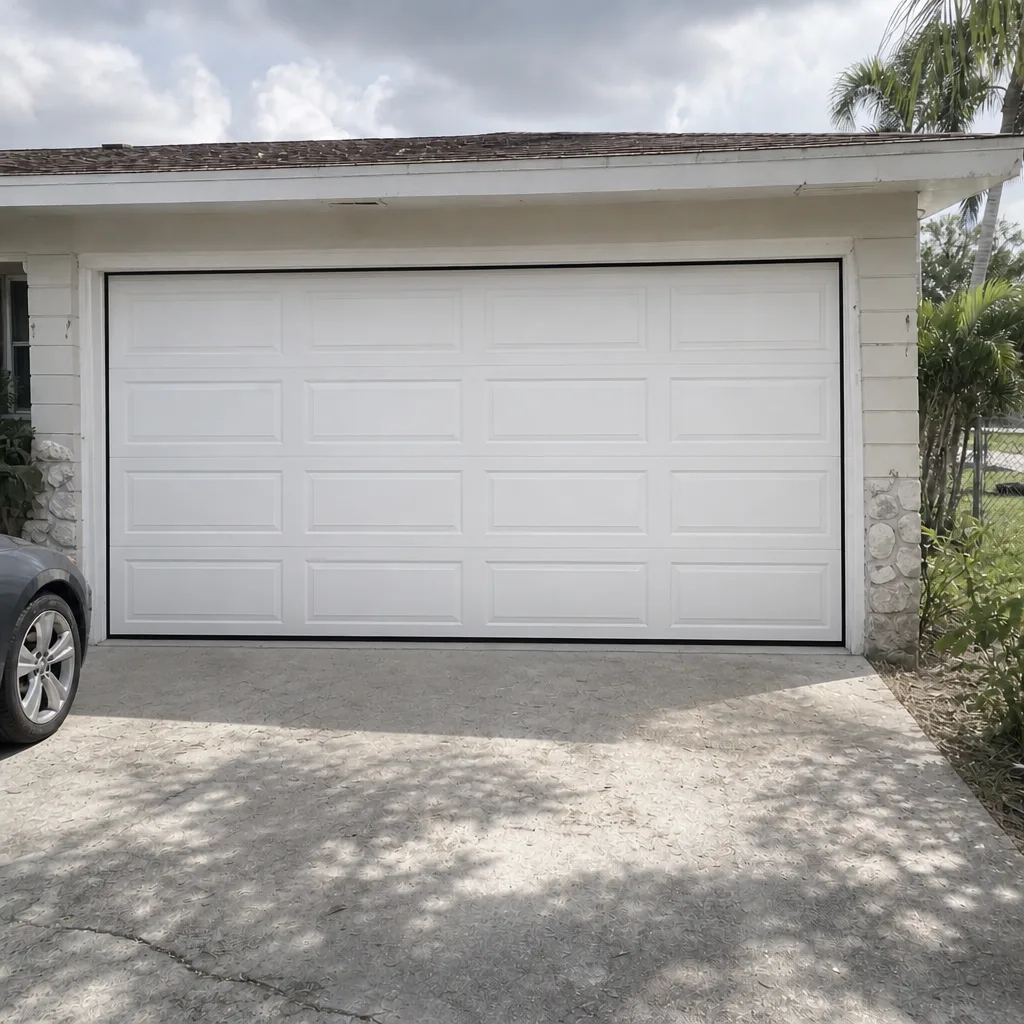
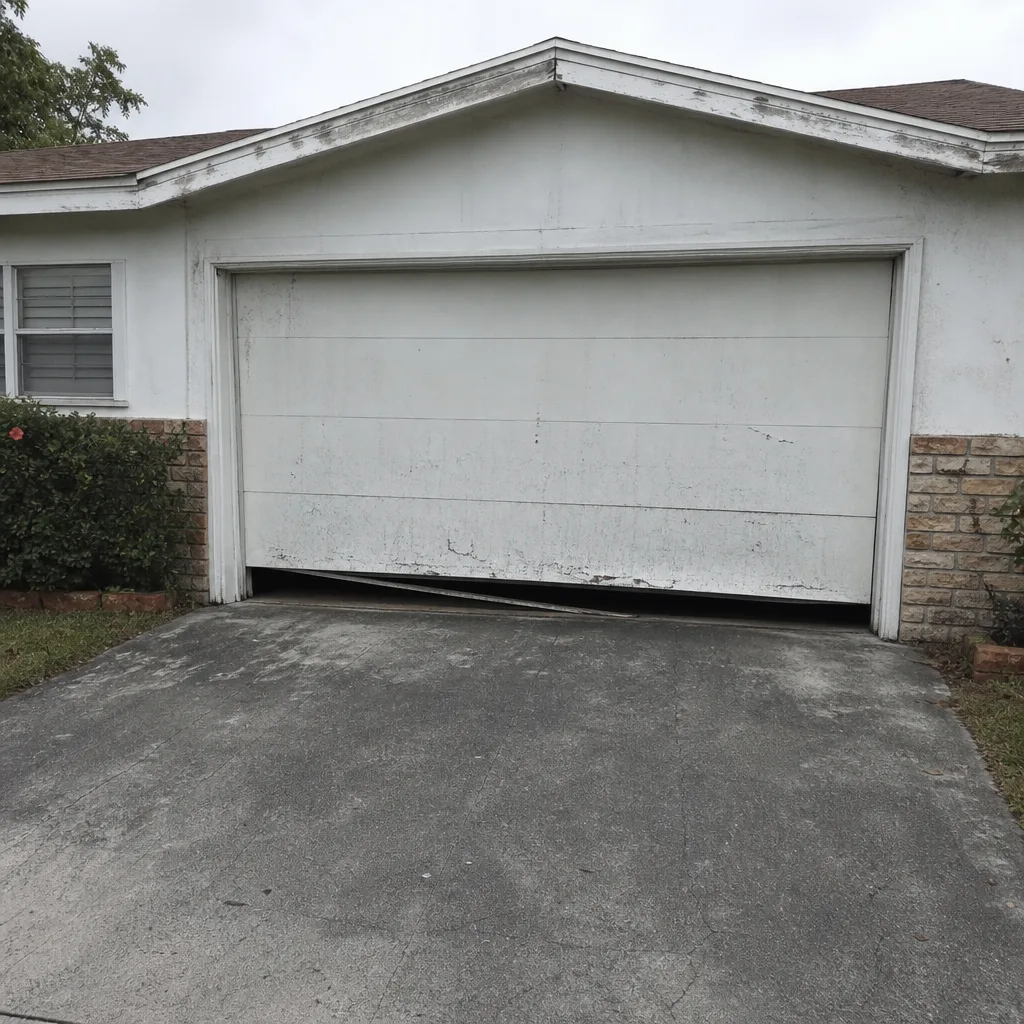
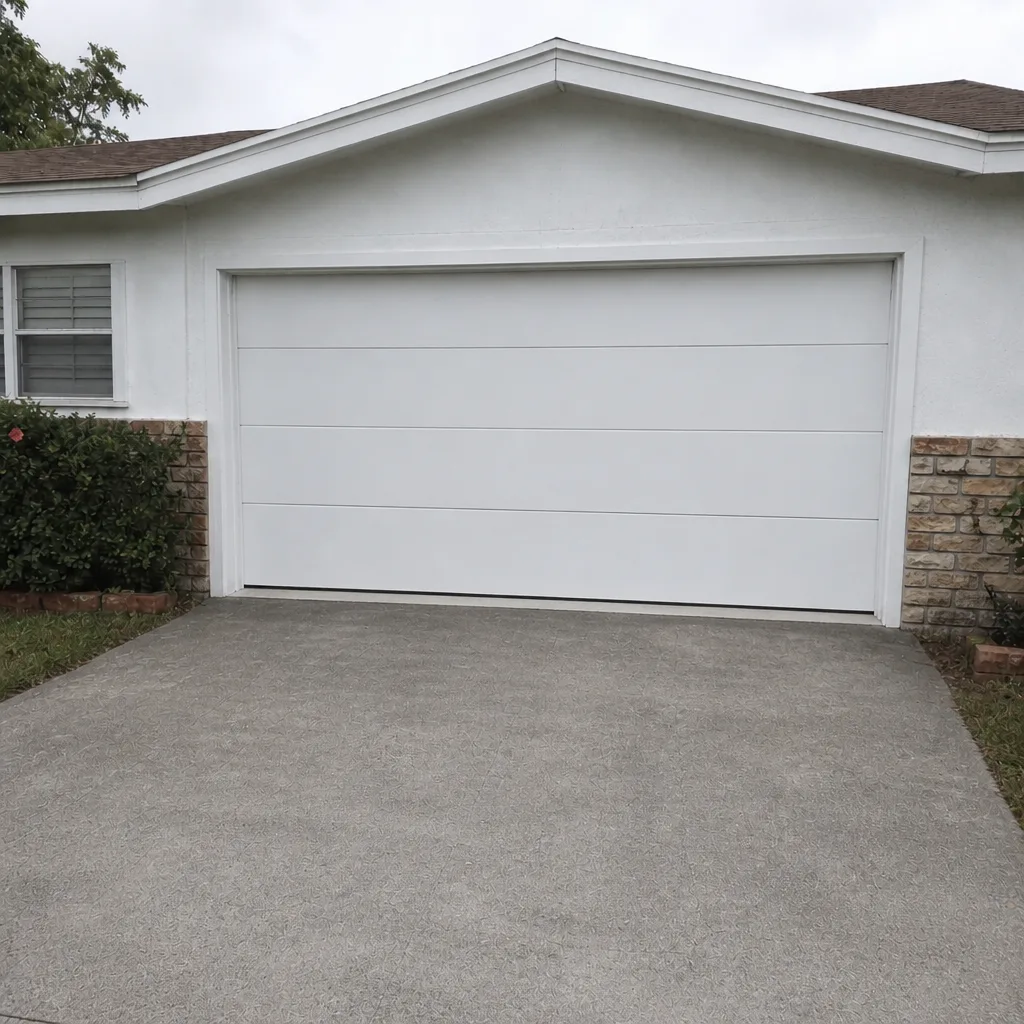
See the difference
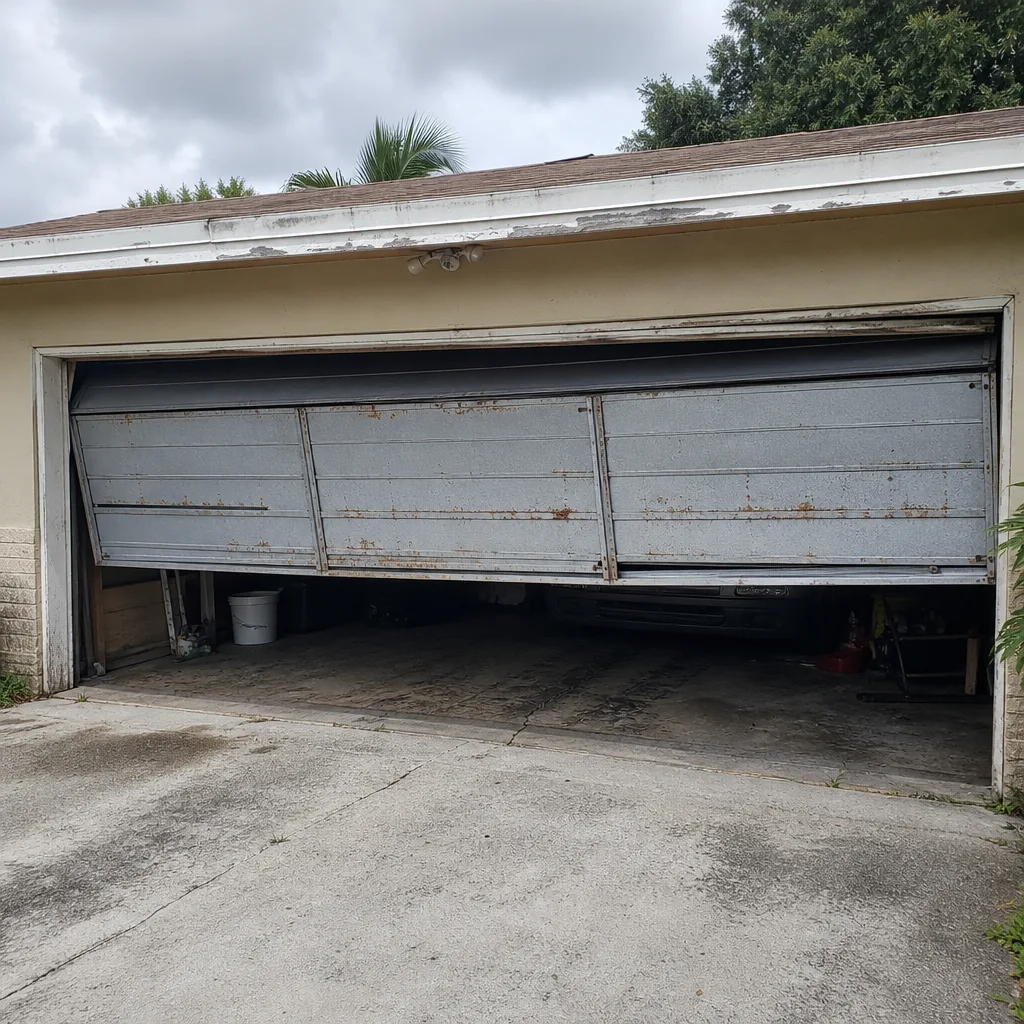 Before
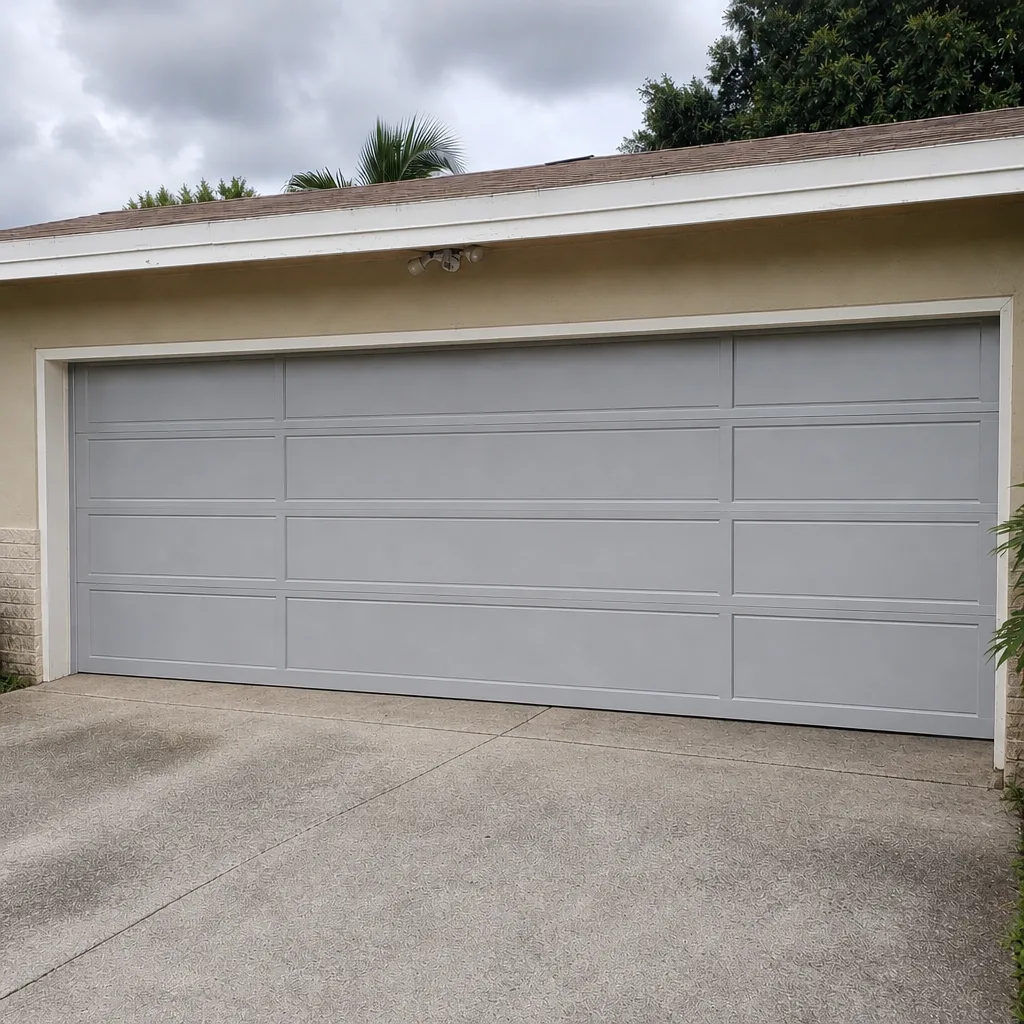 After
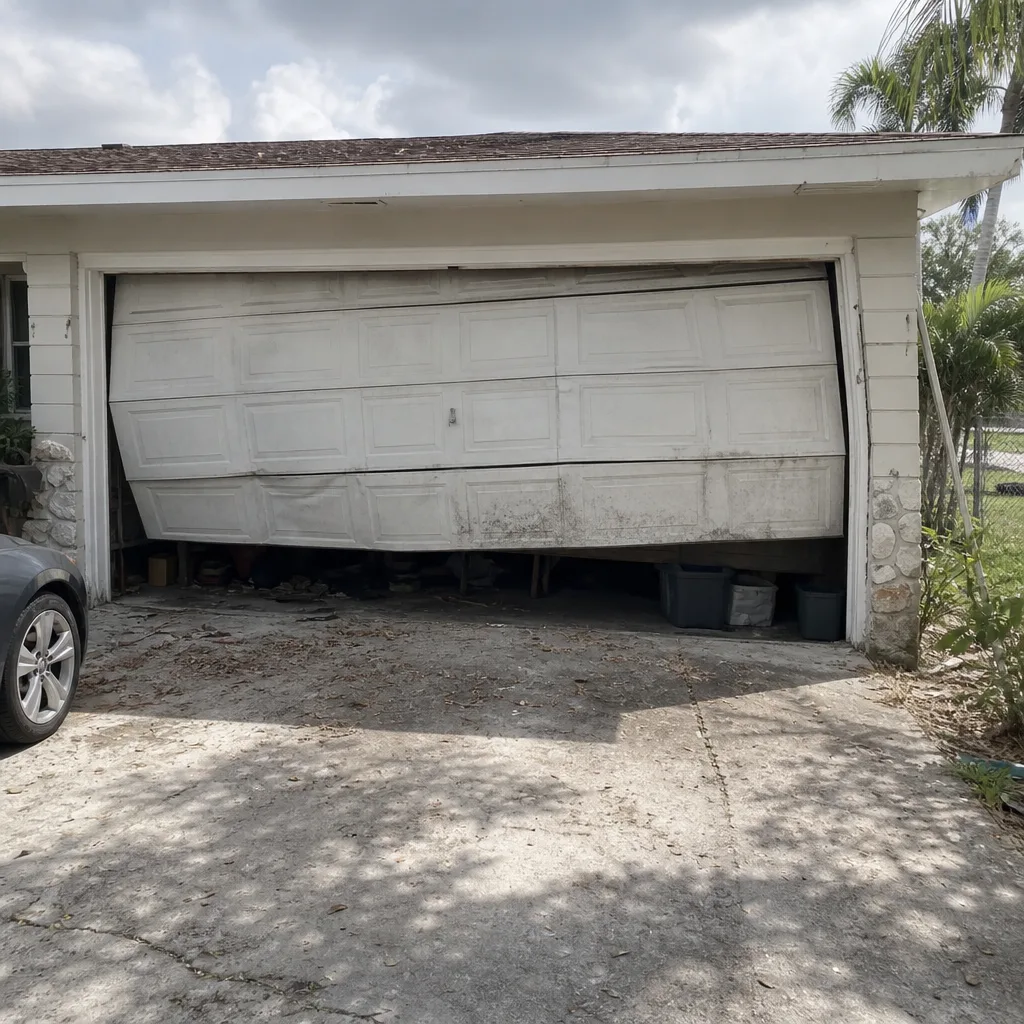 Before
 After
 Before
 After
When to Call a Professional
Call a professional when the job touches springs, cables, drums, or bottom brackets, and call immediately if you see a frayed cable or a bent bracket. Call when the opener needs a new circuit board, when a new door is on your mind, or when a repair tries to turn into a diagnosis you can’t finish. Call when a door is stuck, when a spring snaps, or when a failure strands a car in the garage. Emergency service is not limited to standard business hours, and spring failures don’t wait for business hours. When you’re ready, Pompano Beach Garage Door Repair Pros offers free estimates in Pompano Beach, and we can be reached at (844) 840-1565. Every price is quoted and agreed before any work starts, and our technicians are licensed and insured as their state requires. Call (844) 840-1565 for a free estimate.
Frequently Asked Questions
No. A torsion spring stores enough energy to cause severe injury, and there’s no safe partial attempt because the failure is instant. Spring replacement is the single most dangerous job in this trade and belongs with a trained technician. If your spring has snapped, call (844) 840-1565 and we’ll get you scheduled as soon as possible.
In most Broward County scenarios, replacing a garage door with a new unit is a permitted construction item, and a homeowner-led installation can void your ability to pull the permit cleanly. Ask your city’s building department what’s required for your property before you order a door. For permitted replacement, free estimates start with a call to (844) 840-1565.
Weatherstripping and bottom seals, photo-eye sensor alignment, lubrication, remote and keypad programming, and cleaning or replacing rollers and hinges with the opener unplugged. All of those stay on the low-energy side of the door. Anything involving springs, cables, or a new installation is a professional job, and we’re happy to quote it.
Spring repair ranges in the low hundreds per spring, and a matched pair is usually replaced together and runs roughly double that. The written estimate sets the final price, and it’s always quoted and agreed before any work starts. Call (844) 840-1565 for an exact quote, free of charge.
In Broward County, yes, in most cases. A homeowner installation of a new door unit can void permit eligibility, and that’s a problem to correct later. It also skips the manufacturer’s wind-load compliance and inspection. The short-term saving is usually outweighed by the paperwork and rework. Call (844) 840-1565 for a permitted replacement quote.
In many cases, yes. Emergency garage door service is a core offering, not an answering machine, and it’s not limited to standard business hours. A snapped spring or a failed opener that traps a car is exactly the kind of call we take. Phone (844) 840-1565 and we’ll book the soonest slot available, and every price is agreed before work starts.
The Bottom Line
The DIY-versus-pro question isn’t about your skill. It’s about stored energy and permit compliance. Springs, cables, drums, and bottom brackets are never DIY, because the physics is unforgiving and there’s no safe attempt. Weatherstripping, sensor alignment, lubrication, and remote programming are reasonable DIY work that saves honest money. Anything involving a new door, an opener’s electrical supply, or a permit belongs with a licensed professional, and in Broward County that’s especially true. When you’re ready for a real diagnosis or a free estimate from a specialist who works on eight brands, call Pompano Beach Garage Door Repair Pros at (844) 840-1565. We’re the Pompano Beach Garage Door Repair Pros and we’ll quote the price before we start.
Written by the team at Pompano Beach Garage Door Repair Pros.