Last updated November 22, 2026
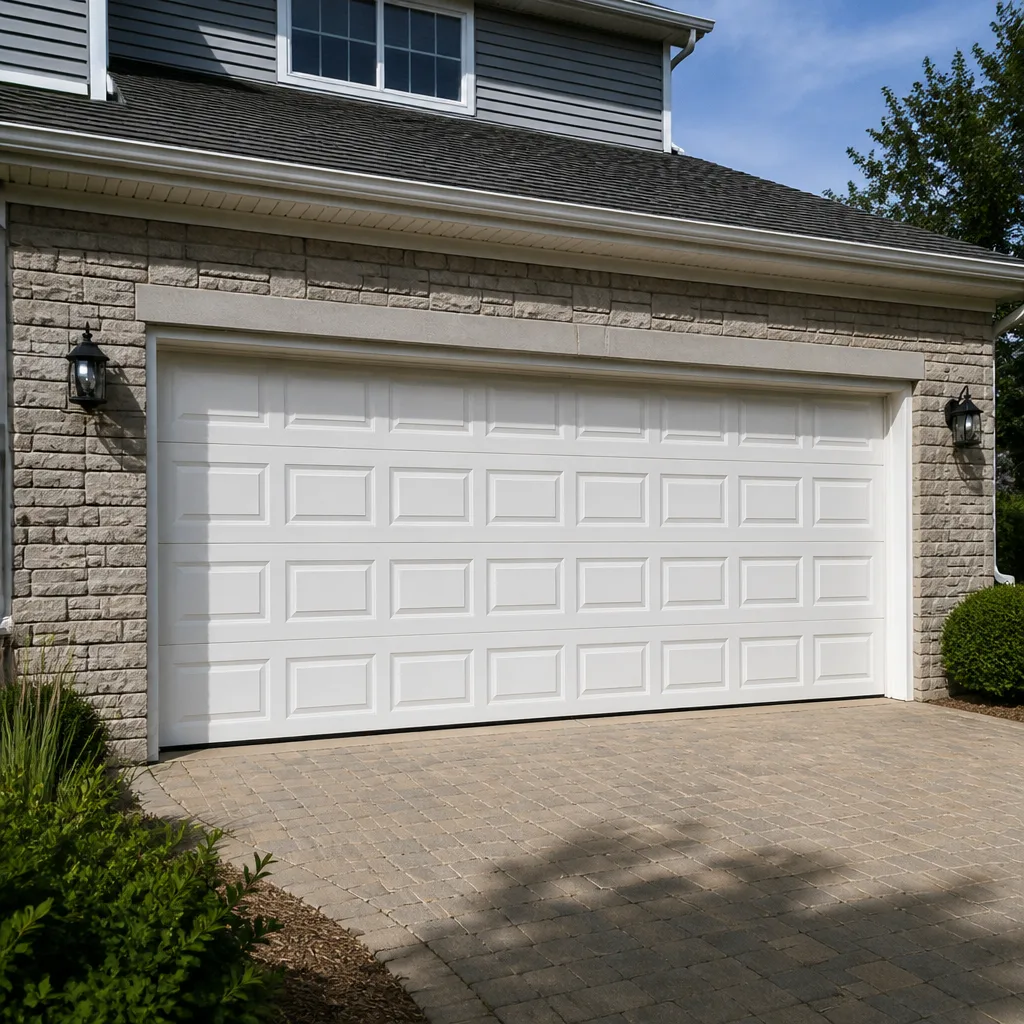 Raised-panel steel
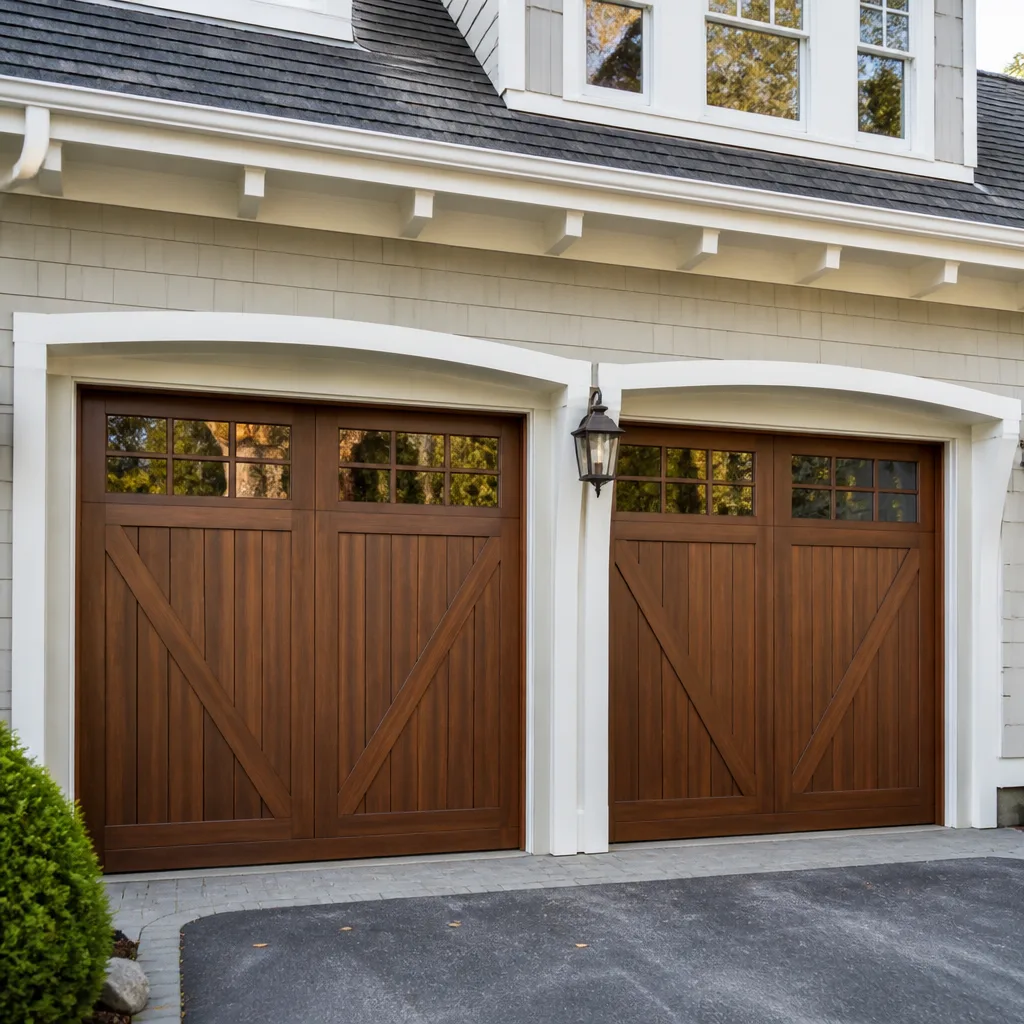 Carriage house
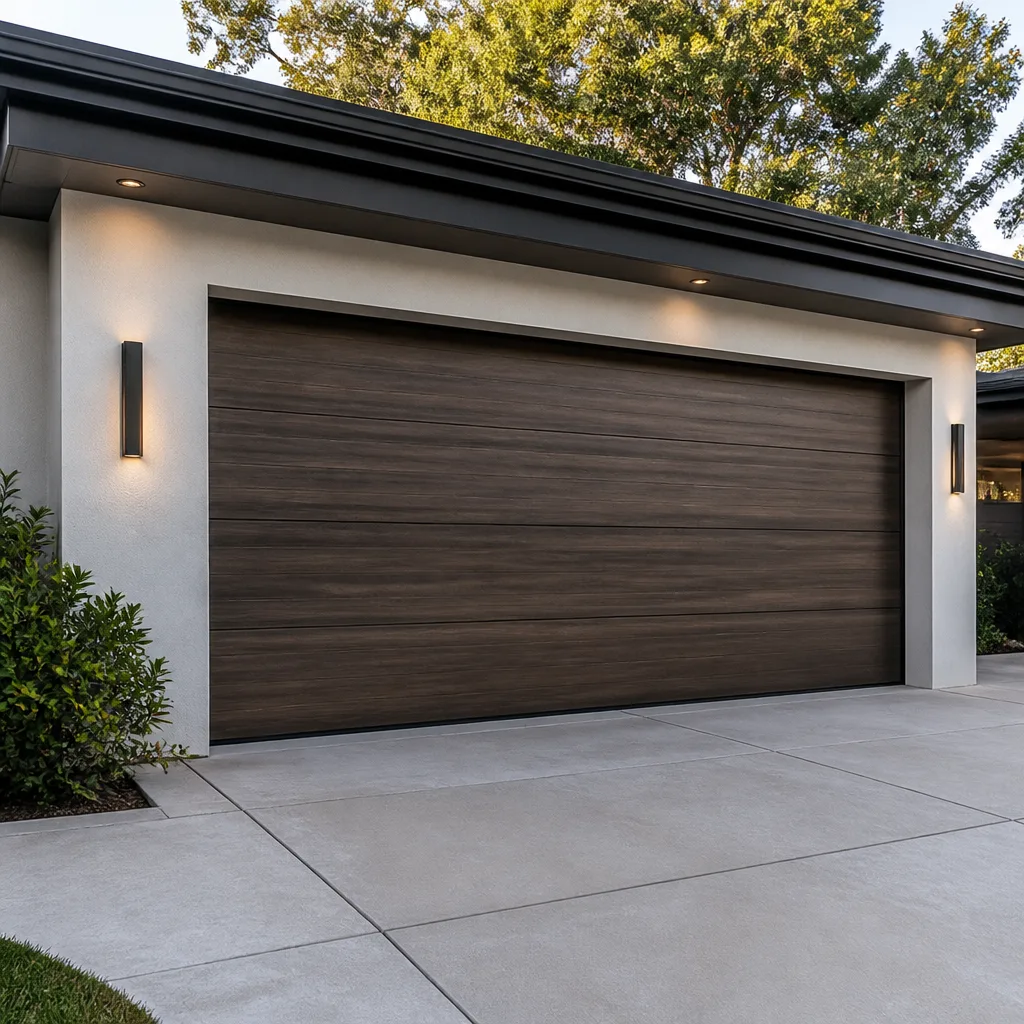 Modern flush
 Full-view glass
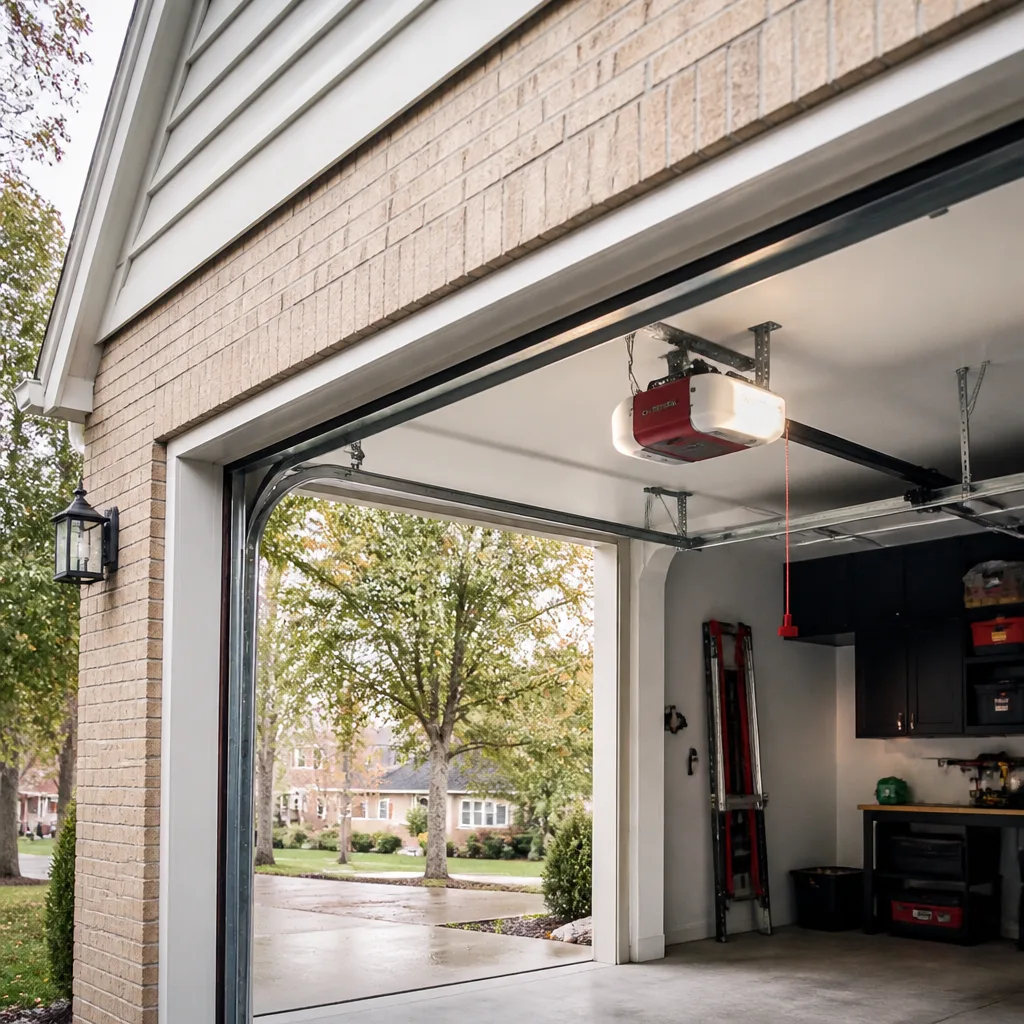 LiftMaster openers
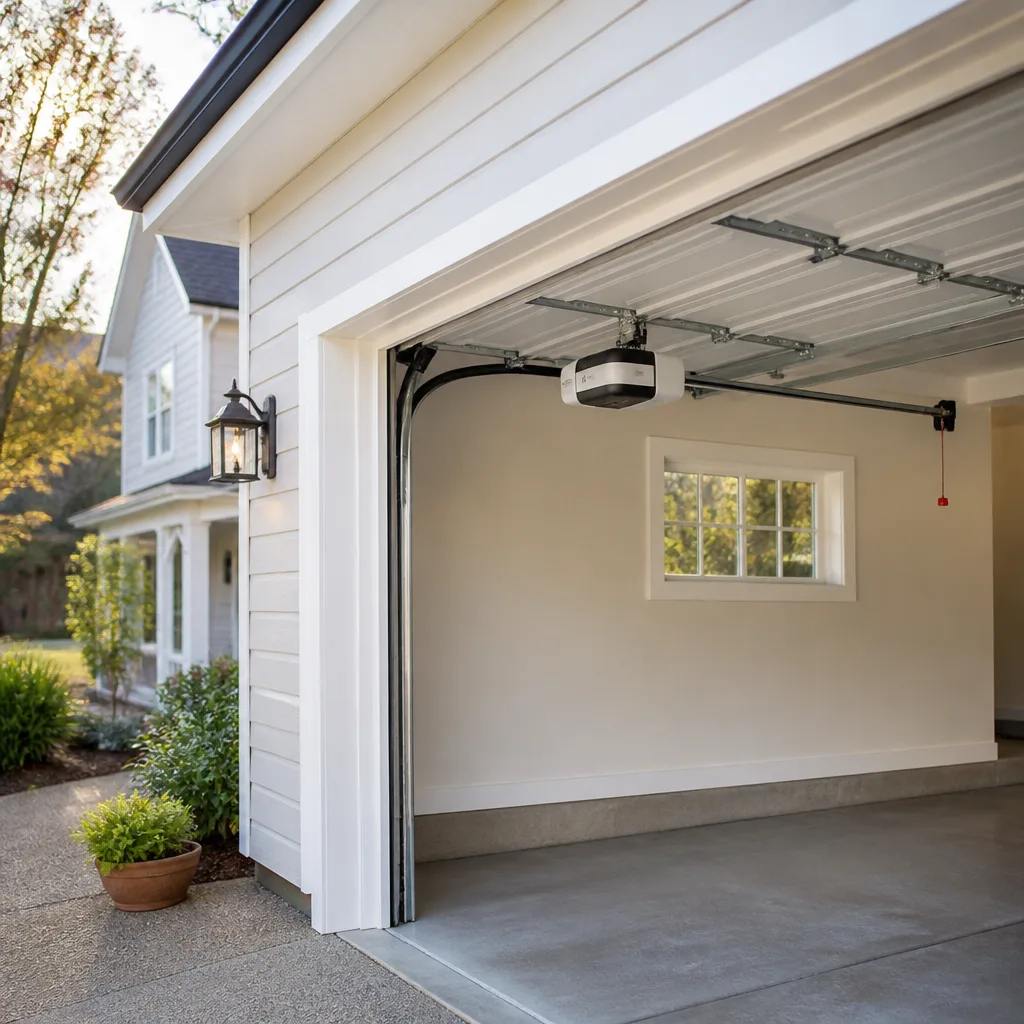 Chamberlain openers
Full 25-point door and opener safety check with every visit - springs, cables, rollers, tracks, and your LiftMaster or Chamberlain opener included
You get a price before we start. It does not change when the pro arrives.
Get your free estimateGarage Door Repair Maintenance Checklist for Pompano Beach Homeowners
Most garage door advice you’ll find online was written for a climate that gets snow. It tells you to lubricate once a year, test the safety reverse, and call it done. That advice isn’t wrong, but in Pompano Beach it misses almost everything that actually breaks doors here. The real culprits are salt-laden air that eats metal from the inside out, relentless UV that turns weatherstripping brittle, and storm season that tests every bracket and bolt holding the door to your house. A corroded track or a hinge pin that gave up at 7 a.m. causes far more emergency calls than a snapped spring. This checklist is built around the failure modes we actually see in Pompano Beach garages, and every item ties to a repair call you can avoid.
Quick Answer
A garage door maintenance checklist for Pompano Beach should focus on corrosion inspection, UV and weatherstripping checks, hurricane-season hardware prep, and a lubrication schedule tuned for high humidity. Check monthly for corrosion on brackets and hinge pins, lubricate every three to four months instead of annually, and inspect all hardware before hurricane season. A 15-minute monthly visual check catches most problems before they become emergency calls.
Styles & brands we work with
- Raised-panel steel
- Carriage house
- Modern flush
- Full-view glass
- LiftMaster openers
- Chamberlain openers
Table of Contents
- Why Standard Checklists Fall Short in Pompano Beach
- Salt-Air Corrosion: The Inspection Points Most Homeowners Miss
- UV Degradation: Weatherstripping and Panel Finishes
- Pre-Hurricane Season Checklist for Pompano Beach
- Lubrication Schedule for High-Humidity Weekends
- The 5-Minute Monthly Visual Check
- Opener and Safety Sensor Maintenance
- A Seasonal Maintenance Calendar for South Florida
Why Standard Checklists Fall Short in Pompano Beach
The typical garage door maintenance guide assumes four seasons, low humidity, and a door that sits in a dry, temperature-stable environment. Pompano Beach offers none of that. Here, a garage door faces year-round humidity, intense sun exposure, and air that carries fine salt particles inland from the coast. That combination changes which parts fail first and how fast they fail.
In our experience across Pompano Beach neighborhoods, the parts that wear out fastest aren’t the ones most checklists emphasize. Springs still matter, and so does the opener. But the slow, invisible damage happens in places nobody looks: the bottom brackets that anchor the door’s torsion system, the hinge pins that let panels pivot, and the roller stems that slide through the track. Each one is a small metal component exposed to moisture and salt. Each one can rust solid long before the door stops opening.
There’s a second difference worth naming. Pompano Beach homes sit in Broward County’s High Velocity Hurricane Zone, which means garage doors here are installed to specific wind-load standards. That has maintenance implications. A door engineered to hold against storm pressure depends on every fastener, bracket, and anchor being sound. Corrosion that would be cosmetic in a dry climate is structural here, because it weakens the hardware that holds the door to its framing.
So this checklist has two jobs. The first is ordinary upkeep that extends the life of your door and opener. The second, and more important one, is catching the salt-driven and sun-driven wear that’s specific to South Florida. A door maintained with this list will last longer, open quieter, and be far less likely to strand your car at the worst possible moment.
Salt-Air Corrosion: The Inspection Points Most Homeowners Miss
Corrosion is the leading cause of premature garage door hardware failure in Pompano Beach, and most of it happens out of sight. The problem with salt-laden humidity is that it attacks the small parts first. Big steel panels are usually galvanized or painted and hold up reasonably well. Hinge pins, roller stems, and bottom brackets are thinner, machined, and often carry less protective coating. They corrode first and fail first.
Here’s where to look, and what you’re looking for:
- Bottom brackets. These are the heavy steel brackets at the lower corners of the door where the torsion system transfers load. Look for white or orange powdery buildup, flaking coating, or pitting around the bolt holes. On a door installed with Amarr or Wayne Dalton hardware, these brackets often show corrosion before anything else does. Never try to loosen or adjust a bottom bracket yourself – the torsion spring above it is under extreme tension, and loosening that assembly can release stored energy that causes serious injury. Have a trained professional handle anything at these brackets.
- Hinge pins. Open the door halfway and look at the pins connecting each pair of panels. A pin that’s stiff, squeaks, or shows rust tracks down the hinge means corrosion has started inside the joint. Left alone, the pin seizes and the hinge panel starts to bind.
- Roller stems. These are the short shafts that connect each roller to its hinge. Pull one roller out and look at the stem where it meets the roller housing. Rust here causes the roller to drag, and dragging rollers wear the track and strain the opener.
- Track and fasteners. Run your eye down the vertical tracks where they bolt to the wall framing. Rusty bolts, flaking galvanizing, or dark streaks along the track are early warnings. The tracks themselves should be uniformly smooth and dry.
A light application of a garage-door-specific lubricant on clean, dry metal slows corrosion. What it can’t do is reverse damage already there. If you see pitting or flaking on a bottom bracket, that’s a replacement call, not a lubrication call. In coastal Broward County, this inspection is worth doing every month, not once a year.
UV Degradation: Weatherstripping and Panel Finishes
The South Florida sun is unforgiving to anything rubber or painted, and your garage door has a lot of both. UV exposure breaks down the flexible seals that keep water, insects, and hot air out of your garage. It also dulls and eventually erodes the finish on the door’s panels. Both problems tend to show up slowly, so a once-yearly glance often misses the point where replacement is still cheap.
Start with weatherstripping. There are three places to check:
- The bottom seal. Kneel down and run your hand along the rubber strip at the bottom of the door with it fully closed. It should feel pliable and sit firmly against the floor. If it feels stiff, cracked, or you can see daylight underneath, the seal is gone. In Pompano Beach this is the seal that fights both summer rain and, during hurricane season, wind-driven water.
- The perimeter seal. The strips along the sides and top of the opening keep water and wind out. Check for gaps, curling edges, and brittle or cracked rubber. A curled perimeter seal lets rain blow in and lets air-conditioned air leak out.
- The panel joint seals. Thin rubber strips between panels can shrink and pull away with age. Look for daylight showing through the door itself when the garage is dark inside.
Then look at the finish. Run a hand across each panel. The paint should feel smooth and even. Chalky residue, dull patches, or small cracks in the surface coating are UV damage. Left alone, moisture gets under the failing finish and starts corrosion underneath. Doors with factory finishes from Raynor or Clopay generally hold up better than field-painted steel, but every exterior finish eventually needs attention. A fresh coat of exterior-grade paint, applied before corrosion starts, is a fraction of the cost of replacing panels.
Pre-Hurricane Season Checklist for Pompano Beach
Pompano Beach sits in Broward County’s wind-borne debris region, and every garage door installed here is engineered to a specific wind-load rating. That rating assumes all the hardware is intact and properly tightened. A door that’s been quietly corroding for a couple of seasons is no longer the door the engineer rated. Going through this checklist before hurricane season is the single most important maintenance you’ll do all year.
- Inspect every mounting anchor. Look at the brackets bolting the track and header to the wall framing. They should be tight, rust-free, and undamaged. Loose or corroded anchors are the weak point that wind exploits.
- Check the header and jamb fasteners. Walk around the door opening and look for rust, stripped threads, or missing bolts. Replace anything you find questionable – but do it well before storm season, not the week a storm is forecast.
- Test the door’s balance. Disconnect the opener and lift the door by hand to the halfway point. It should stay put. If it drops or rises on its own, the spring tension is wrong, and an unbalanced door puts extra load on every hurricane-rated component.
- Confirm your wind-load rating. Most modern doors in Pompano Beach carry a label or stamped tag showing their rating. Note where it is and keep the installation paperwork. If you can’t find it, the door’s manufacturer can often confirm the rating from the model and serial number.
- Check the bottom seal against wind-driven water. A loose or gapped bottom seal lets rain push in under the door during a storm. Replace any seal that’s hardened or cracked.
- Lubricate all moving parts before the season. Moving parts that sit dry and stiff take more load when the door has to work against wind pressure. A fresh application of lubricant on hinges, rollers, and the spring keeps things moving freely.
- Test the opener’s manual release. During a power outage you may need to open the door by hand. Make sure the release cord and mechanism work smoothly.
If any of these checks turn up a problem, deal with it early. The weeks before hurricane season are when every garage door professional in Broward County is busiest, so repairs scheduled well in advance are the ones that happen on time. If you’re unsure about hardware condition, a professional garage door repair inspection is the fastest way to know whether your door is up to storm season.
Lubrication Schedule for High-Humidity Weekends
The standard advice is to lubricate your garage door once a year. In Pompano Beach, ignore that. Year-round humidity and salt in the air strip lubricant faster than a dry climate does, and a door that’s dry and stiff puts extra strain on the opener and the springs. The schedule that actually works here is every three to four months, which lands roughly on a seasonal cycle.
Not every part gets the same treatment. Here’s the breakdown:
- Hinges, rollers, and bearing plates. Use a garage-door-specific lubricant, not general household oil or grease. A light white lithium or silicone spray works well for metal-on-metal contact. Spray each hinge point and each roller stem lightly, then wipe off any excess so it doesn’t attract grit.
- Spring. A light coating on the torsion spring helps it move smoothly and slows surface rust. Never put your hands or tools near a loaded spring – this part is under serious tension at all times, and the job belongs to a trained professional. Spray only from a safe distance that doesn’t require reaching into the spring’s path.
- Tracks. Tracks should be clean, not greasy. Wipe them down with a damp cloth and leave them dry. Grease on the tracks collects dust and grit, which wears the rollers and makes the door noisier, not quieter.
- Weatherstripping. A light silicone spray on the rubber seals keeps them pliable and slows UV cracking. This is especially useful on the bottom seal.
Two rules of thumb apply. First, never use petroleum-based grease on any part of the door; it thickens and attracts dirt in exactly the wrong climate. Second, if you hear grinding or see rust when you’re lubricating a component, that part may need replacement before lubrication. Quiet, smooth movement is the goal – if lubricating doesn’t get you there, something is worn. When that happens, a call to professional garage door repair is faster than guessing which part to swap.
The 5-Minute Monthly Visual Check
A short monthly inspection catches most problems while they’re still cheap to fix. You don’t need tools or training for this one. You just need to look and listen the way a technician would. Here’s the check we suggest to every Pompano Beach homeowner:
- Open and close the door once and listen. You want a steady, smooth sound. Grinding, scraping, popping, or a rhythmic click points to a specific worn part. Note where the sound happens so you can describe it accurately.
- Watch the door as it moves. It should travel evenly, with no jerking, wobbling, or one side lagging the other. Uneven travel usually means a track or roller problem.
- Look at the bottom brackets and hinge pins. Check for orange or white powdery buildup. You’re looking for the earliest signs of corrosion, not damage you can already see.
- Check the bottom seal. With the door closed, look for daylight or gaps underneath. Run a hand along the seal to feel for stiffness or cracking.
- Test the safety reverse. Place a small object like a roll of paper towels in the door’s path, then close the door. It should reverse immediately when it contacts the object. Test the safety sensors too by blocking one with your hand while the door is closing. If either test fails, stop using the opener and call a professional.
Five minutes, once a month. In Pompano Beach, that rhythm catches the corrosion, seal degradation, and balancing problems that standard advice would find months later, if at all. It’s the highest-return maintenance habit you can build.
Opener and Safety Sensor Maintenance
Your opener works harder here than it would in a drier climate. A door running on stiff, dry hardware or a slightly misaligned track draws more current, and that extra strain shows up first in the opener. Maintaining the door itself is half the job. The other half is keeping the opener and its safety systems clean and properly adjusted.
Here’s what to check on the opener itself:
- Safety sensors. The two sensors at the bottom of the tracks, one on each side, should be aligned and their lenses clean. Wipe them with a soft cloth. A sensor that’s out of alignment or dirty will make the door refuse to close, and in humid climates the lenses fog and pick up grit more often.
- Sensor wiring. Look at the low-voltage wires running from the sensors to the opener head. They should be secured and free of corrosion at the terminals. Loose, corroded connections cause intermittent failures that can be hard to diagnose.
- Belt or chain tension. On a belt-drive or chain-drive opener, check the tension. A belt should have a little visible sag; a chain too tight will strain the motor, and one too loose will slap. Check your opener’s manual for the right spec.
- Opener housing and ventilation. The motor housing should be clean and not blocked. Dust and grit get inside over time and shorten motor life.
- Remote batteries and range. A remote that works only up close usually needs a battery. If fresh batteries don’t fix it, the issue may be with the opener’s receiver or an interfering device nearby.
We work on the major opener brands – LiftMaster, Chamberlain, Genie, and Craftsman among them – and the pattern is consistent. A modern smart opener can report its own faults, but most failures trace back to a door that’s laboring, or to sensors that drifted out of alignment. When the opener itself fails, professional garage door opener repair resolves it faster than trial-and-error at the wall button. If your opener is older and you’re weighing a replacement, garage door installation of a modern unit is worth pricing before you spend on repeated repairs.
A Seasonal Maintenance Calendar for South Florida
Because Pompano Beach doesn’t follow the four-season pattern the rest of the country does, a maintenance calendar here is organized around humidity, sun, and storm season instead. Here’s the rotation we recommend:
- Monthly (year-round): The 5-minute visual check, plus a listen for new noises. This is the habit that catches problems early.
- Every three to four months: Full lubrication of hinges, rollers, and gas-bearing moving parts, and a check of the opener’s sensor alignment.
- Before hurricane season: The full pre-storm checklist – anchors, fasteners, balance, bottom seal, and the manual release test. This is the most important block of the year.
- Late fall: A thorough corrosion inspection of the bottom brackets, hinge pins, and roller stems. If any hardware is showing corrosion, plan the replacement before the next storm season gets close.
- After any major storm: A visual check for shifted tracks, loose hardware, and water intrusion. Any door that took a hit or was forced open manually gets a full inspection.
If you have a multi-bay garage or manage several units, a mixed set of doors adds another layer. A property with doors from different manufacturers can be serviced together, but each one should be inspected against the same checklist, and each has its own hardware and track condition to watch. The calendar stays the same. Only the number of doors changes.
One final note on the parts inside the door. Precision parts like the torsion spring and the bottom brackets take enormous tension. That’s why this checklist keeps those items at the “look and note” level rather than the “adjust and replace” level. Every year, homeowners get seriously hurt trying to save a service call on a spring or bracket. The professional’s fee is a fraction of that risk.
Common Mistakes to Avoid
- Lubricating once a year. The standard annual schedule is built for dry climates. In Pompano Beach’s year-round humidity, lubricant breaks down faster, so a door that’s lubricated once per year runs stiff for months. Aim for every three to four months.
- Greasing the tracks. It feels like it should help, but grease on metal with a high salt and dust load collects grit and wears the rollers faster. Tracks should be clean and dry. Lubricate the rollers and hinges, not the tracks.
- Ignoring the bottom brackets. This is the single most overlooked corrosion point in coastal Broward County, and the most stressed part of the door’s hardware. Pitted or flaking brackets need replacement before they fail.
- Skipping the pre-storm inspection. A door rated for Broward County wind loads depends on tight, uncorroded anchors and fasteners. Skipping the pre-hurricane checklist leaves a rated door that no longer performs to its rating.
- Test-diagnosing a spring failure. If a spring breaks, the door may still lift by hand with the opener disconnected. That’s not a sign it’s safe to use. Running the opener on a broken spring warps the door and burns out the motor.
- Assuming the opener is the problem. Most “opener failures” start as door hardware problems – a binding roller, a misaligned track, or dry hinges. Replacing the opener without fixing the door underneath wastes money.
- Watching for wet-rubber UV damage too late. Weatherstripping that has gone hard and cracked lets rain, heat, and insects in. Check the seals monthly and treat light silicone spray as seasonal upkeep, not a one-time fix.
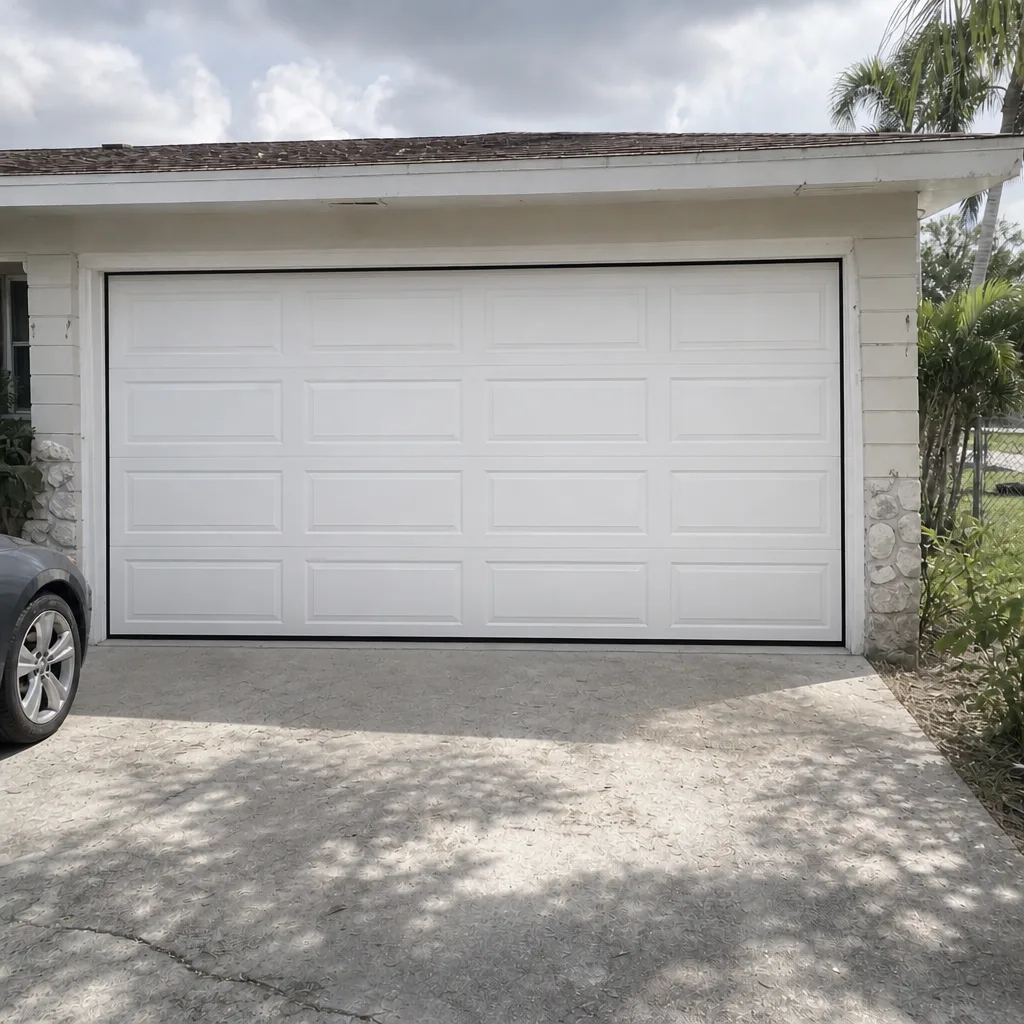
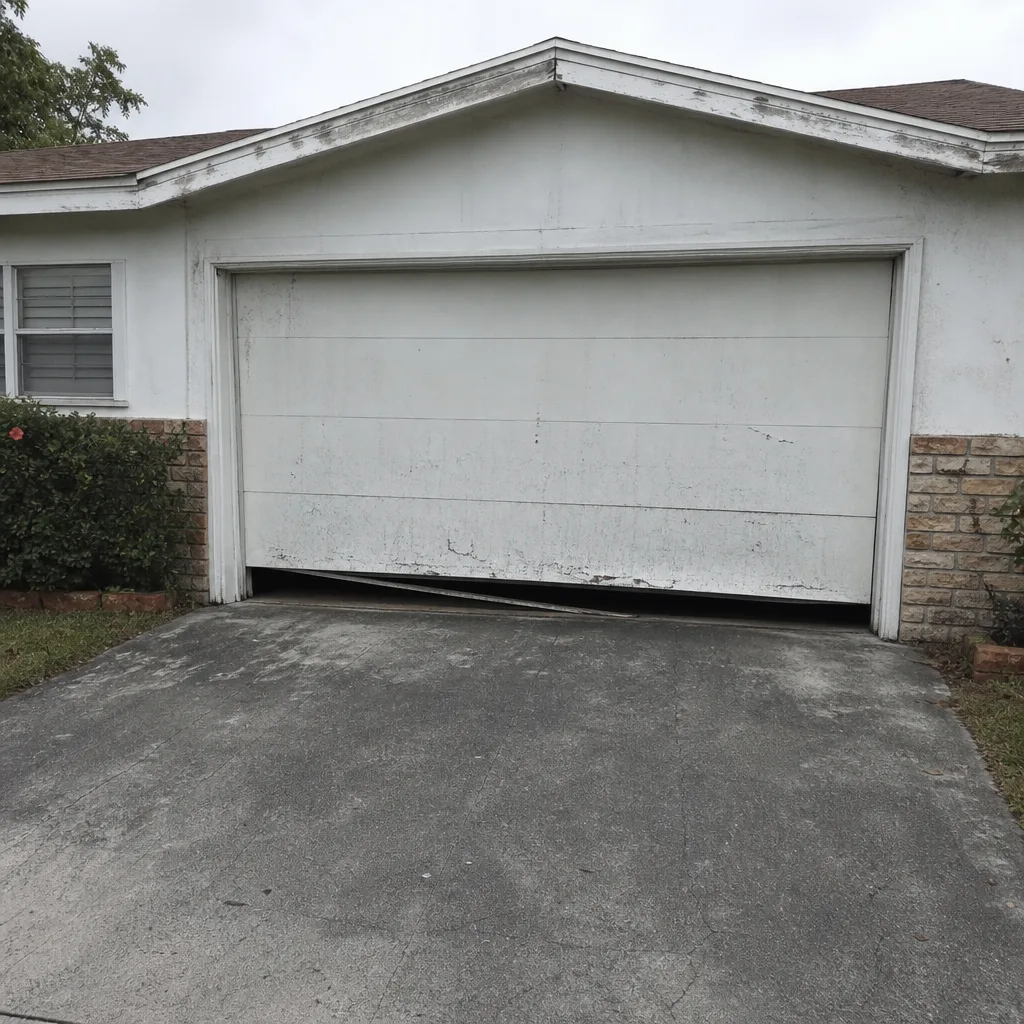
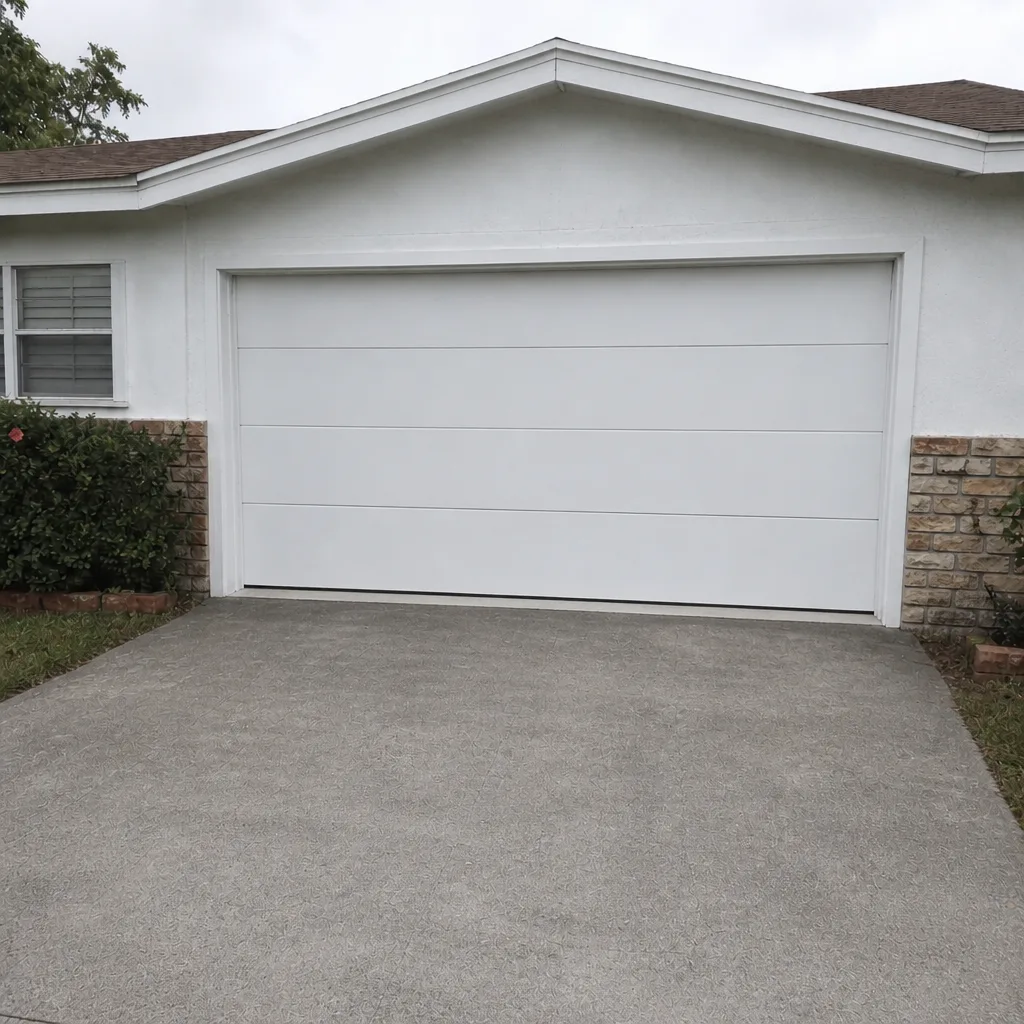
See the difference
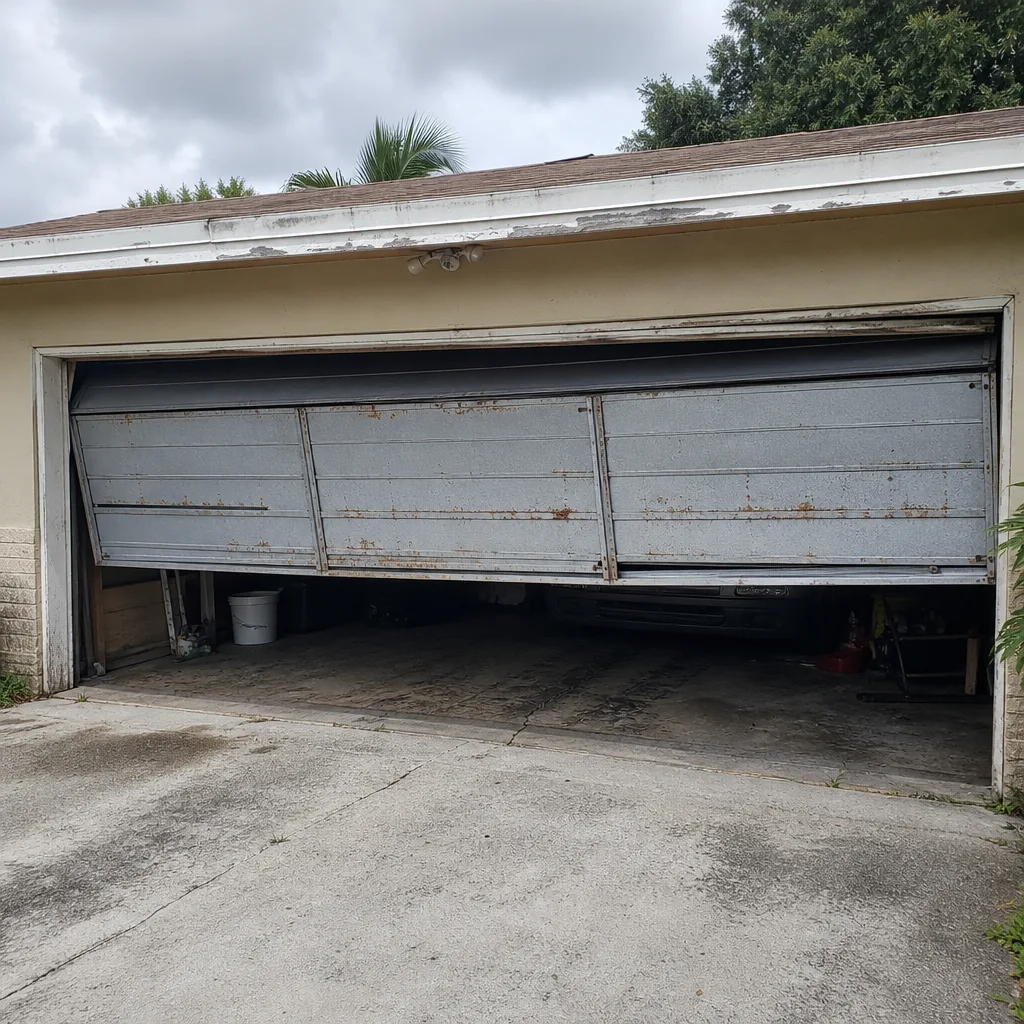 Before
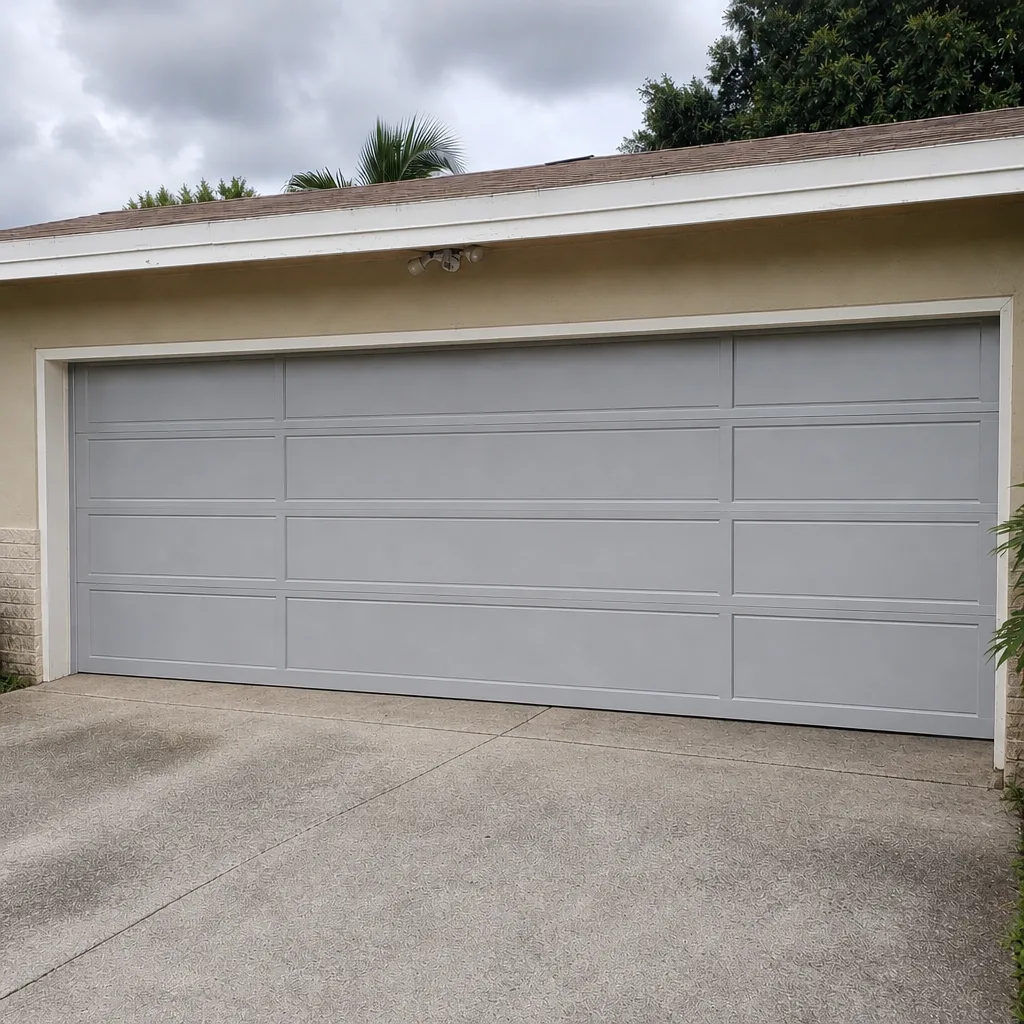 After
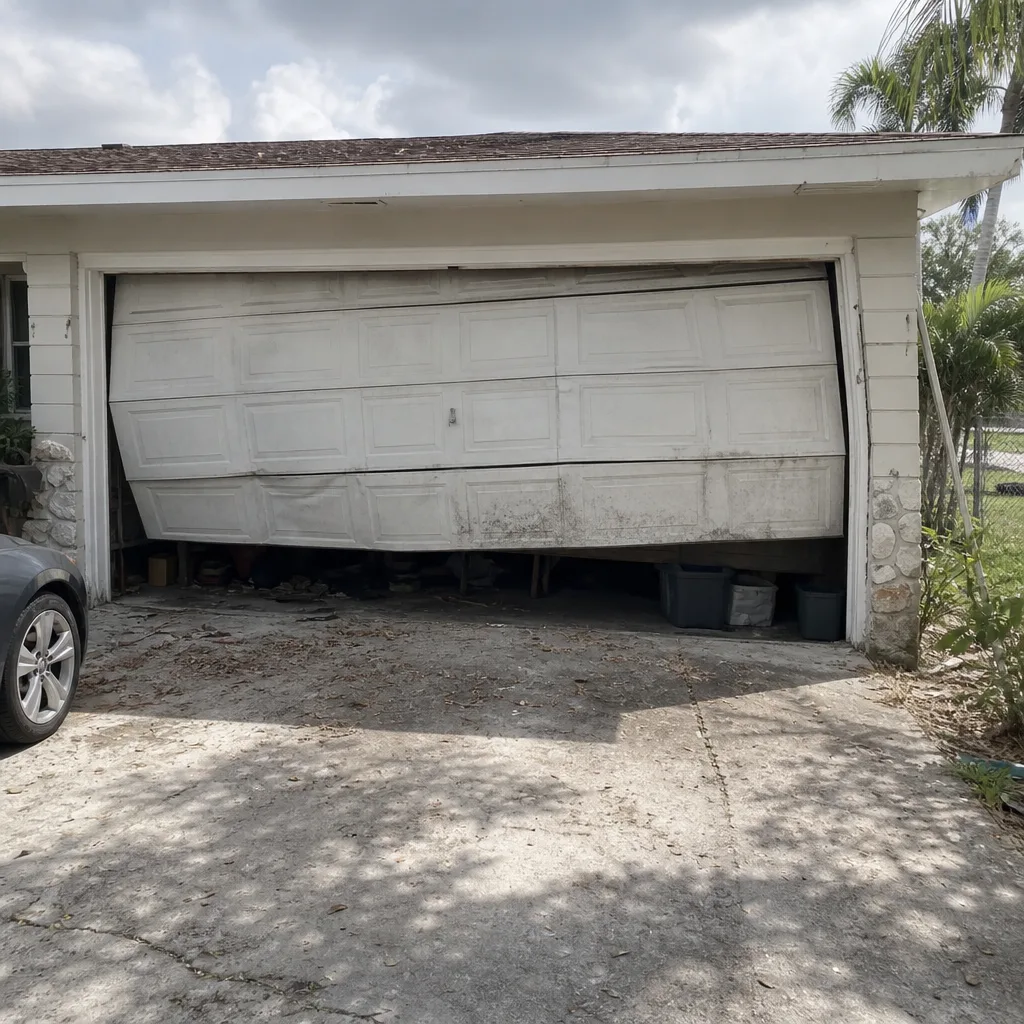 Before
 After
 Before
 After
When to Call a Professional
Call a professional for anything involving a spring, the bottom brackets, or a door that has come off its tracks. Those jobs carry real injury risk, and they’re not the place to save a service call. Also call if you hear a new grinding or popping sound, if the door travels unevenly, if the safety reverse fails its test, or if you see corrosion on structural hardware. For bigger jobs – a full door replacement, a new opener, or storm-rated hardware upgrades – an on-site estimate tells you exactly what’s needed. Pompano Beach Garage Door Repair Pros offers free estimates in Pompano Beach. Call (844) 840-1565 to schedule a visit and get a written price before any work starts.
Frequently Asked Questions
A garage door in Pompano Beach should get a five-minute visual check every month and full lubrication every three to four months, rather than the annual schedule recommended for dry climates. You’ll also want a full hardware inspection before each hurricane season. The humidity and salt in the air break down lubricant and drive corrosion faster than most of the country, so the maintenance clock here simply runs quicker. For a deeper one-time evaluation, professional garage door repair catches anything a visual check can’t.
Corroded hardware – particularly bottom brackets, hinge pins, and roller stems – causes more emergency garage door calls here than any other single failure. Springs still break, and openers still fail, but the salt-driven corrosion that never gets looked at is the quiet cause behind a lot of sudden jams. Monthly inspections are the best defense. If your door stops working, call (844) 840-1565.
Yes, you can safely lubricate the hinges, rollers, tracks, and weatherstripping yourself. You should not touch the spring, the bottom brackets, or the cable assemblies – those parts are under extreme tension, and an accidental release can cause serious injury. Use a garage-door-specific lubricant and never petroleum grease, and have a trained professional handle anything that requires loosening or adjusting loaded parts. For spring concerns, garage door spring repair is the right call.
Yes. Broward County sits in a wind-borne debris region, and every garage door here is engineered to a specific wind-load rating. That rating only holds if the mounting anchors, header fasteners, bottom seal, and balance are all in good order. A pre-hurricane checklist catches the corrosion and loose hardware that would otherwise compromise a rated door. Don’t wait until a storm is forecast to inspect. Call (844) 840-1565 for an estimate on any hardware you’re unsure of.
Weatherstripping needs replacing when it feels stiff or cracked, shows gaps at the bottom, or lets daylight through when the door is closed. In Pompano Beach’s sun, rubber seals degrade faster than most homeowners expect, and a hardened bottom seal lets wind-driven rain and hot air in. A light silicone spray on the seals slows this down, but cracked or hardened seals should be replaced before storm season. For a professional assessment, call (844) 840-1565.
Often, yes. A garage door that has started grinding, popping, or squealing usually has dry hinges, worn rollers, or a track problem, and ignoring it puts extra strain on the opener and springs. Sometimes it’s a single worn roller. Often it’s an accumulation of small issues that a professional can identify in one visit. When the noise is new, schedule a check. Pompano Beach Garage Door Repair Pros works on all major brands – eight of the most widely installed doors and openers in the country, from LiftMaster to Amarr – so we can tell you fast what’s causing the noise.
The Bottom Line
Garage door maintenance in Pompano Beach isn’t the generic once-a-year routine you’ll read on most sites. It’s a tighter cycle built around humidity, sun, and storm season: a monthly visual check, lubrication every three to four months, a thorough corrosion inspection each fall, and a full hurricane-season hardware check before summer. The single highest-value habit is the five-minute monthly look at the bottom brackets and hinge pins, because that’s where salt-driven corrosion quietly ruins a door. Do the checks you can do safely, leave the spring and brackets to a professional, and call for any noise or movement that feels wrong. If you’d like the job done right the first time, call (844) 840-1565 for a free estimate. We also cover bigger projects, from garage door opener repair to a full garage door installation, and every visit adds up to a door that lasts longer. For anything this checklist turns up, the Pompano Beach Garage Door Repair Pros team can schedule a fast written estimate.
Written by the team at Pompano Beach Garage Door Repair Pros.