Last updated November 22, 2026
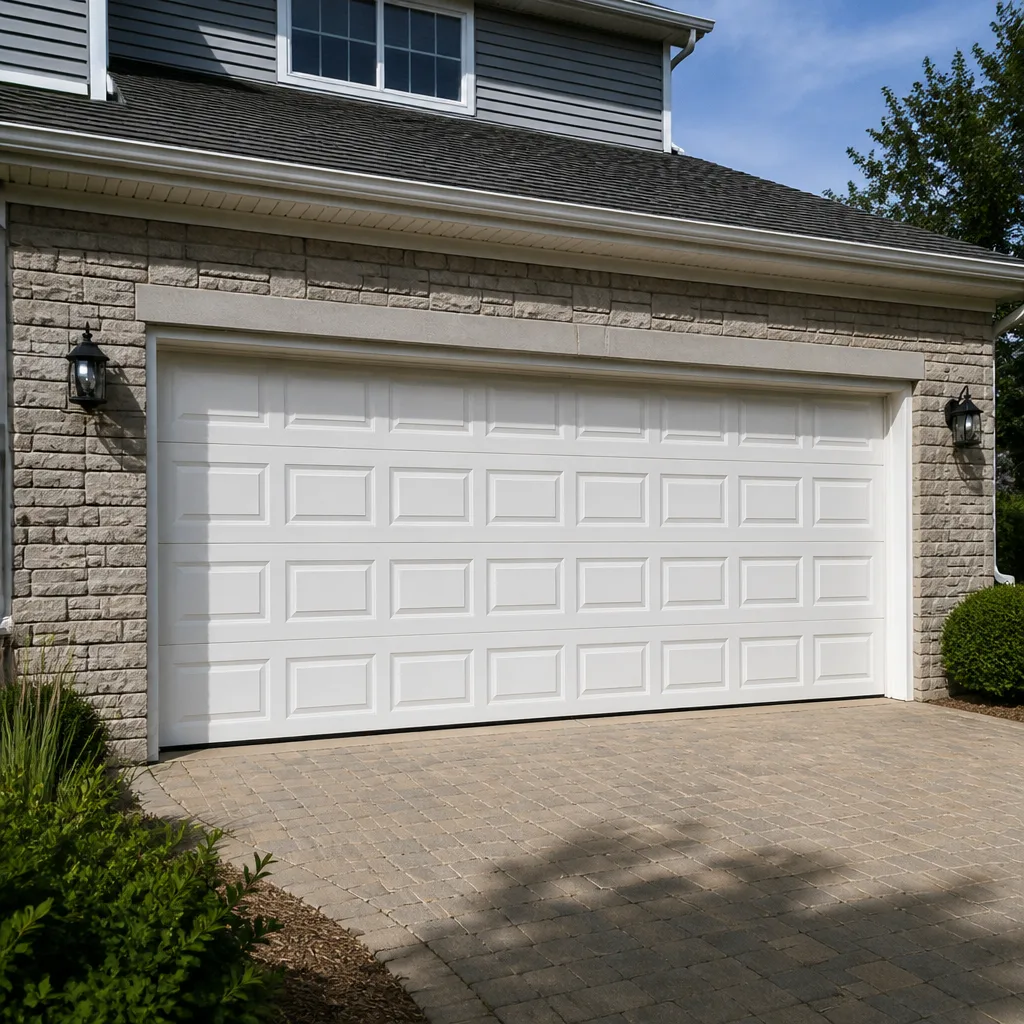 Raised-panel steel
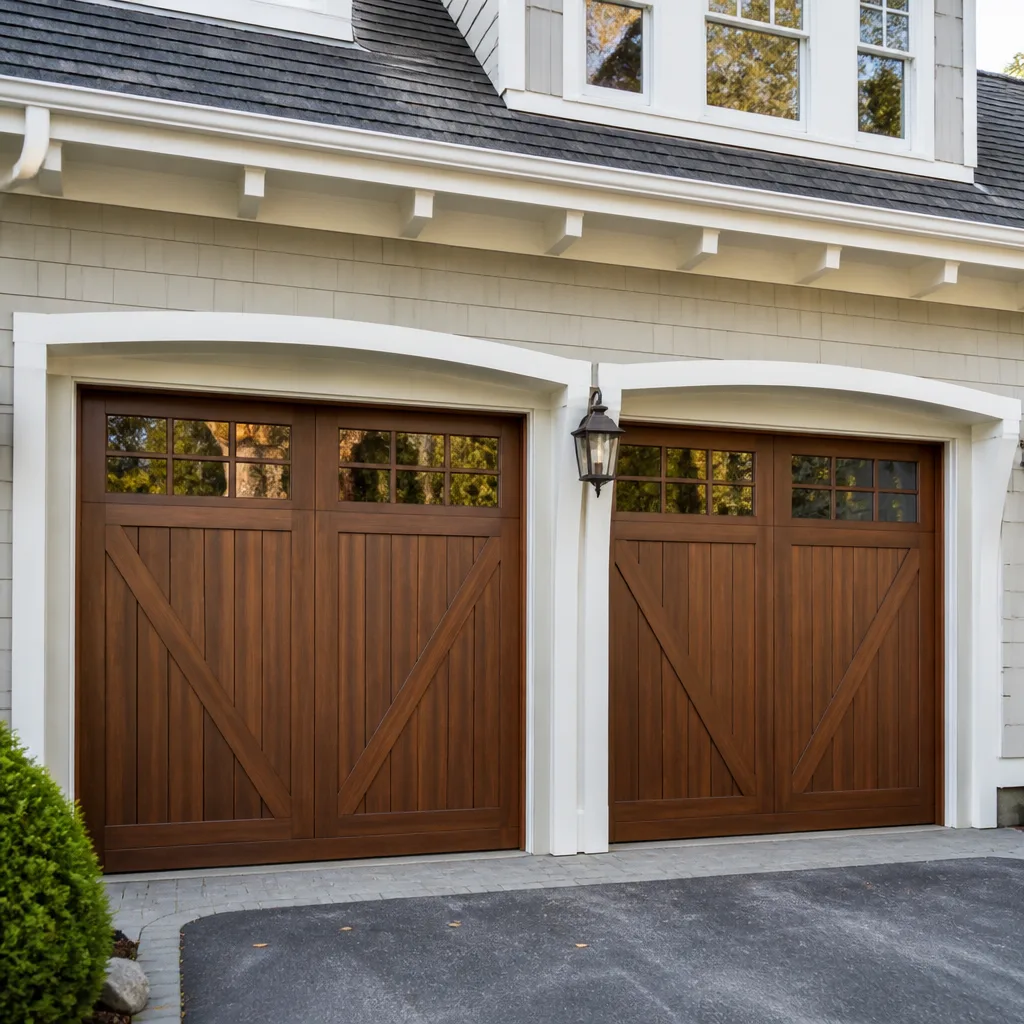 Carriage house
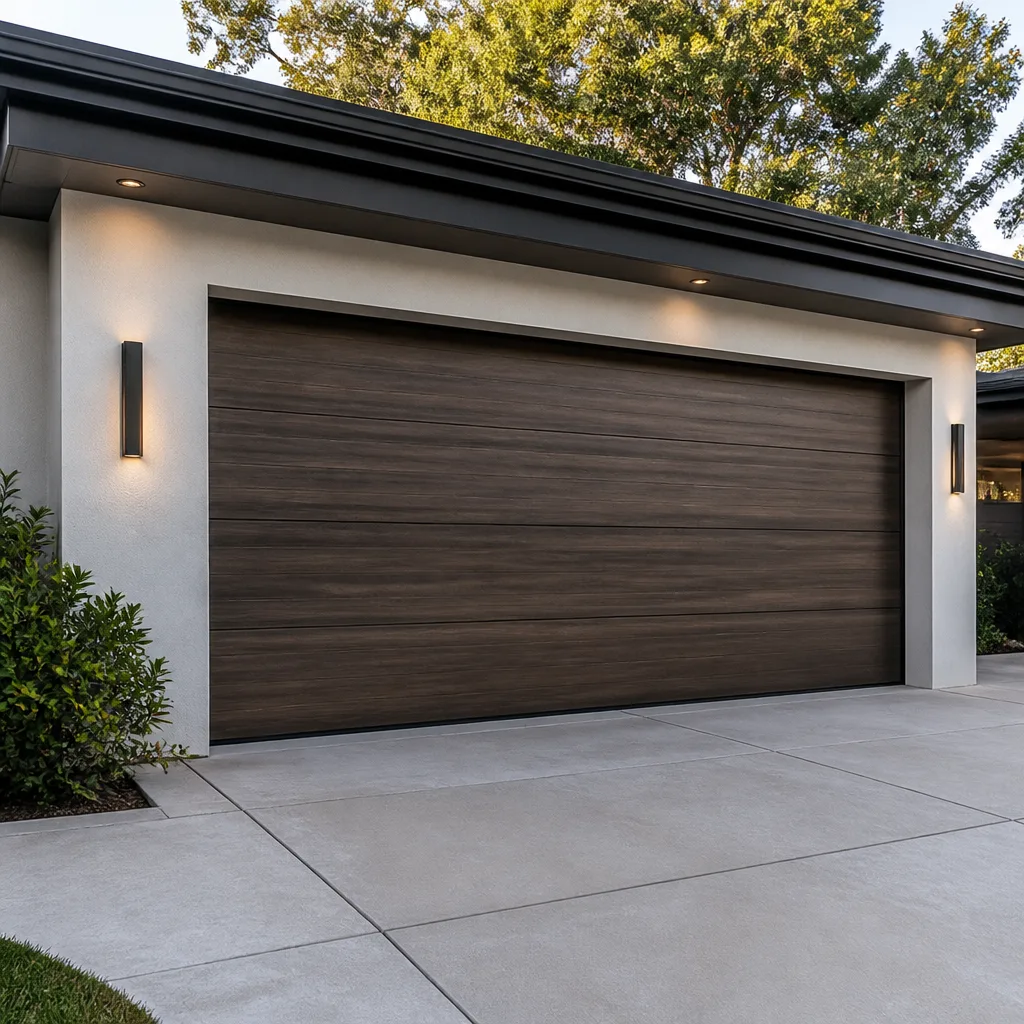 Modern flush
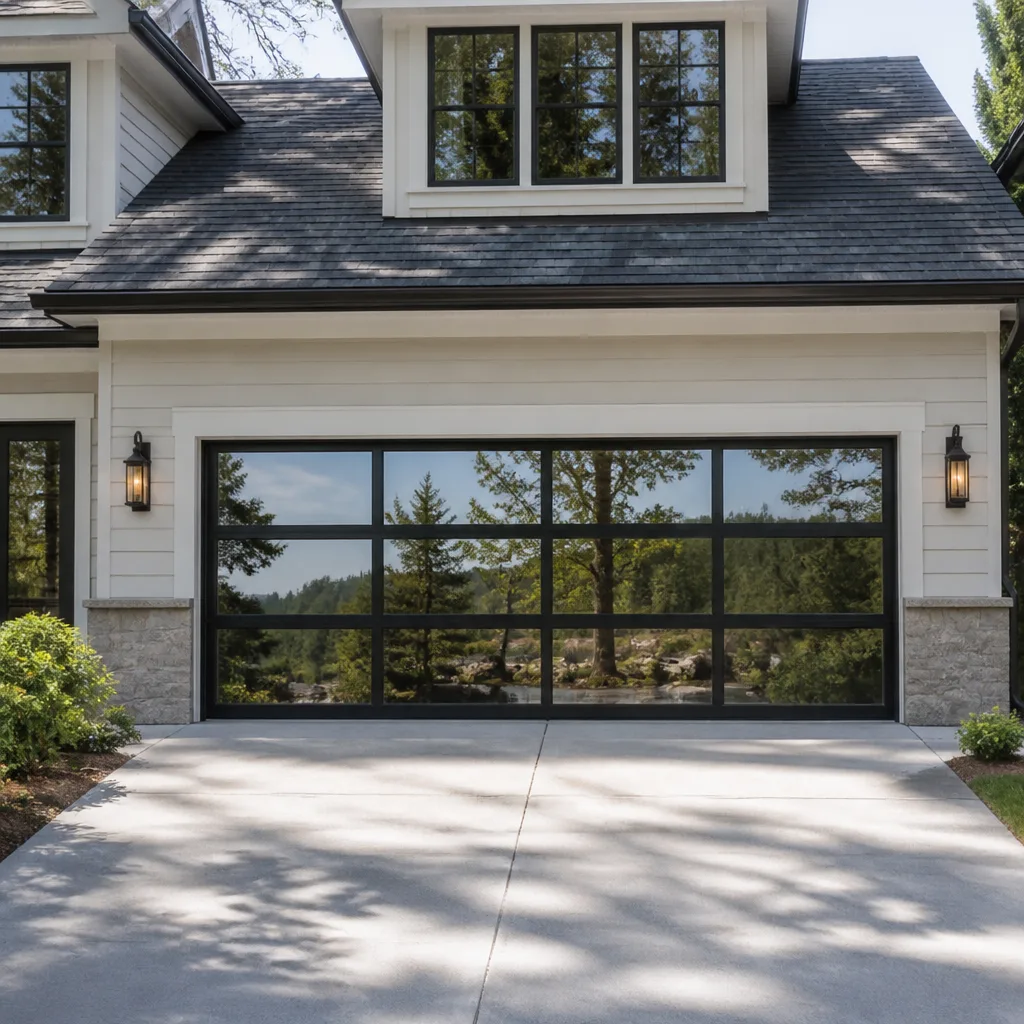 Full-view glass
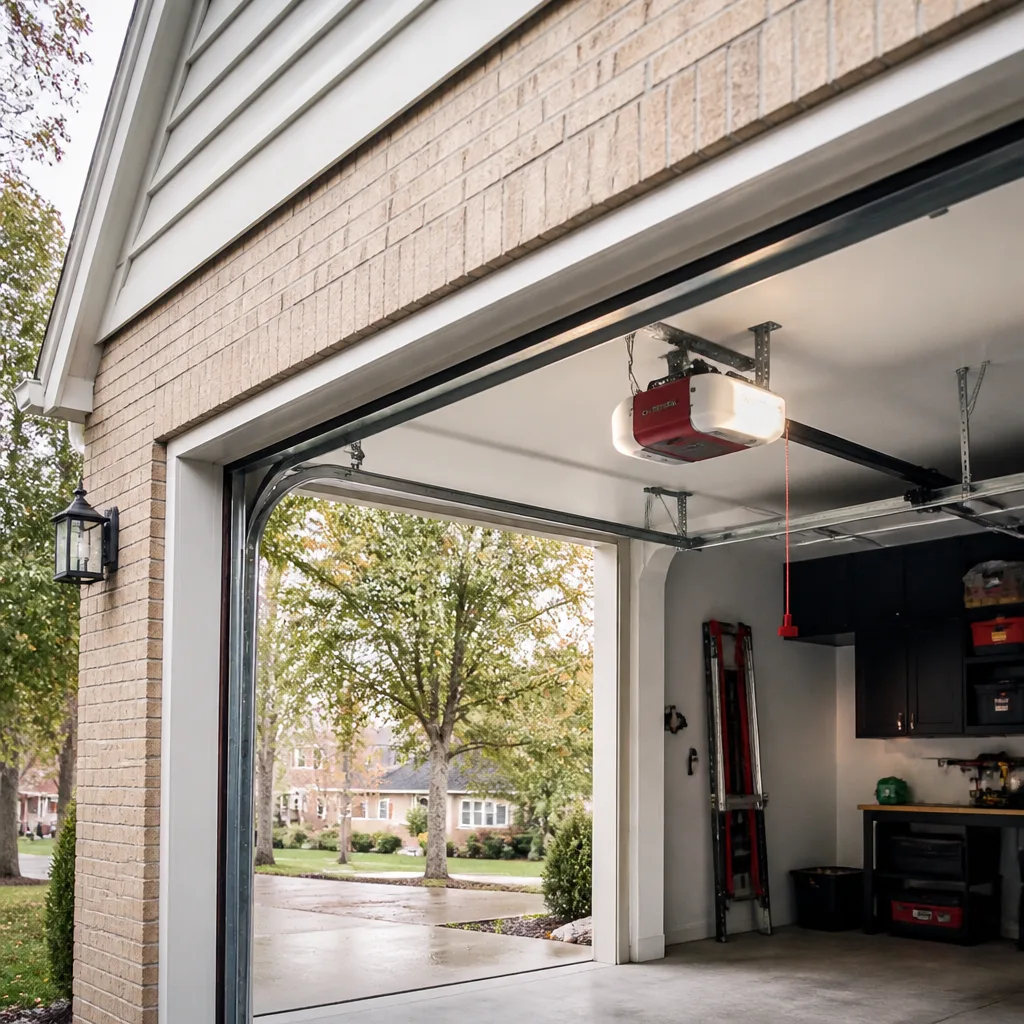 LiftMaster openers
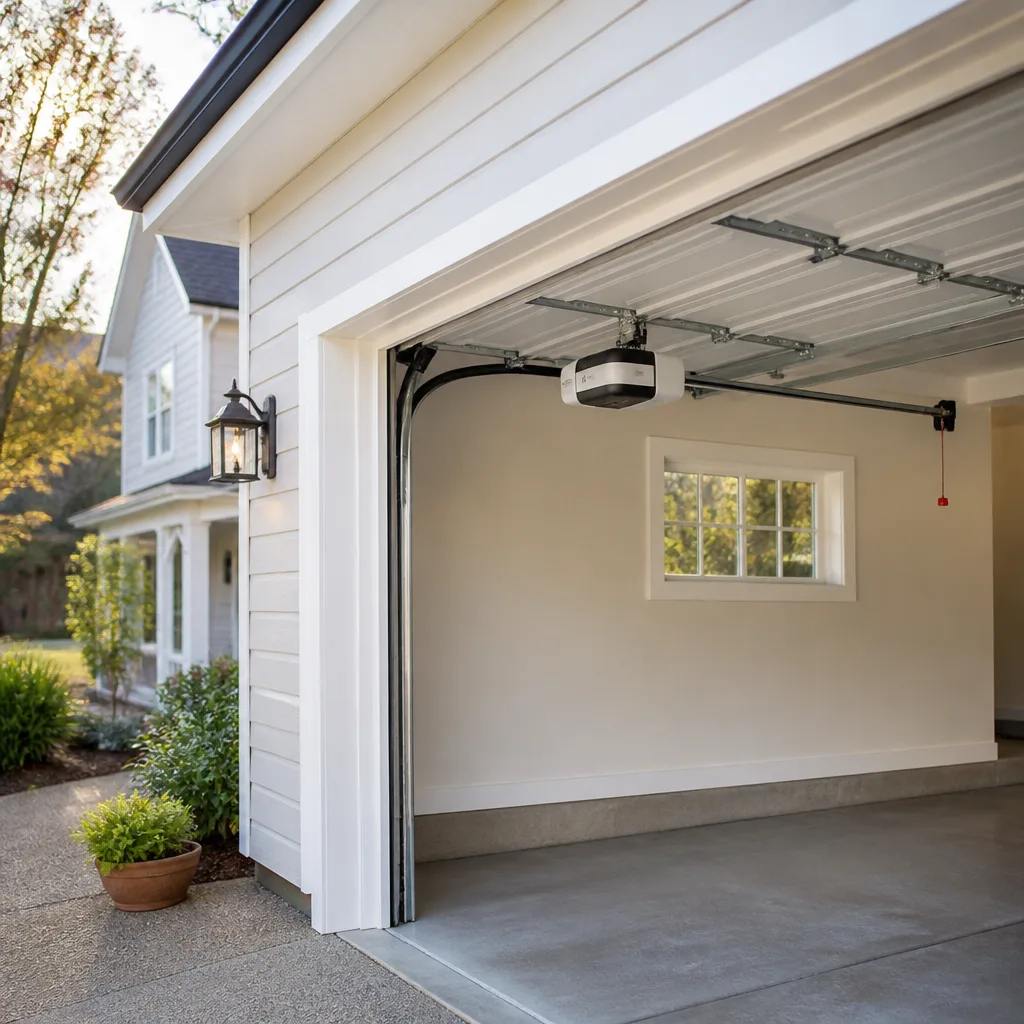 Chamberlain openers
Full 25-point door and opener safety check with every visit - springs, cables, rollers, tracks, and your LiftMaster or Chamberlain opener included
You get a price before we start. It does not change when the pro arrives.
Get your free estimateSeasonal Garage Door Care for Pompano Beach: Year-Round Homeowner’s Guide
June 1 is the most important date on a Pompano Beach homeowner’s garage door calendar, and not because anything breaks that day. It’s because everything you should have fixed is now overdue. Most garage door advice is written for places that get snow, so it tells you to winterize, shovel, and worry about ice. Pompano Beach doesn’t work that way. We get three garage door seasons instead: hurricane prep in late spring, recovery after a storm, and a long dry-season window from November through April when paint, seals, and weatherstripping actually hold. This guide lays out each one so you can plan the work instead of reacting to it.
Quick Answer
In Pompano Beach, garage door care follows three seasons, not four. Do your hardware, track, and opener battery-backup checks in May before hurricane season starts, run a full post-storm inspection after any named storm or strong squall line, and save repainting, resealing, and weatherstripping for the dry window from November through April when humidity is lower. Year-round, keep UV protection on fiberglass and steel panels and recheck spring tension as summer humidity settles in.
Styles & brands we work with
- Raised-panel steel
- Carriage house
- Modern flush
- Full-view glass
- LiftMaster openers
- Chamberlain openers
Table of Contents
- Why Pompano Beach Has Three Garage Door Seasons, Not Four
- The May Checklist: Pre-Hurricane Season Garage Door Prep
- After the Storm: Post-Storm Inspection Protocol
- The Dry Season Window (November to April)
- How Summer Humidity Affects Your Torsion Springs
- Year-Round UV Protection for Steel and Fiberglass Panels
- Opener Care Through a Florida Year
- What Changes Block to Block in Pompano Beach
Why Pompano Beach Has Three Garage Door Seasons, Not Four
Ask a homeowner in a northern state about garage door maintenance and you’ll get a winter answer: seals, salt, freezing. That advice doesn’t apply here, and following it wastes time on problems Pompano Beach doesn’t have. What we actually deal with is heat, humidity, salt-free ocean breezes turning into storm wind, and a sun that hits the same panels every afternoon for most of the year. The result is three distinct maintenance periods, each with its own focus.
Here’s how the year breaks down in our experience:
- Hurricane prep (roughly May, into the season): hardware torque, track alignment, opener battery backup, door balance. The goal is a door that holds against wind pressure and opens when the power is out.
- Post-storm recovery (after any named storm or squall line): a structured inspection of tracks, rollers, springs, panels, and the opener’s electricals.
- Dry season (November through April): paint, sealant, and weatherstripping. This is the window when coatings cure properly and gaps stay sealed, because humidity is lower and rain is less frequent.
Summer is its own thing, and it’s the season that catches people off guard. Heat and humidity swell wood, expand metal, and change how a torsion spring behaves. A door that was perfectly balanced in a dry January can feel heavy and sluggish by August. Plan for a balance check when the rainy season settles in, and you’ll avoid the surprise. Think of the year as a loop rather than a ladder: prep, recover, restore, repeat. That’s the rhythm a Pompano Beach door actually lives by.
The May Checklist: Pre-Hurricane Season Garage Door Prep
The single most useful thing you can do before hurricane season is spend a Saturday in May on a door you’ll rely on for the next five months. A garage door is the largest moving opening on most homes, and wind pressure tests every fastener on it. None of this is dramatic; it’s just a methodical walk-around. Here’s the sequence we recommend:
- Check and torque the hardware. Look at every hinge, bracket, and lag bolt that ties the track and springs to the framing. Loose fasteners are the first thing wind works loose. Tighten what’s snug; replace anything stripped.
- Inspect track alignment. The vertical and horizontal tracks should be straight and parallel, with even gaps on both sides of the door. A bent or out-of-line track lets the door bind under load.
- Test the door balance. Disconnect the opener and lift the door halfway by hand. It should stay put, roughly. If it drops or feels heavy, the springs need attention before the season, not during it.
- Confirm the opener’s battery backup. If your opener has a battery backup, verify the battery is present and charged. Many LiftMaster and Chamberlain units support one; a dead battery is easy to miss until the power goes out.
- Check the weatherseal and bottom seal. Wind-driven rain finds gaps. A worn bottom seal lets water in and lets wind push under the door.
- Clear the tracks and test the safety reverse. Wipe debris out of the tracks and confirm the door reverses when it meets an obstruction.
If any of these checks turn up a problem, get it addressed before the season starts rather than in the middle of a storm watch. That’s the whole point of a May routine. For anything that needs fixing now, our garage door repair service handles the full range from a loose bracket to a bent track, and we can tell you during a free estimate what needs work and what can wait.
After the Storm: Post-Storm Inspection Protocol
A named storm or a strong squall line moves through, the power comes back, and the first instinct is to hit the opener button and move on. Don’t. Storm wind puts stress on parts that don’t always fail immediately, and a door that opens once can still have a cracked spring, a shifted track, or a roller that popped out of its channel. Do a walk-around before you operate the door at all.
Here’s the inspection order we use:
- Look at the door from outside and inside. Check for bent or dented panels, especially the top and bottom sections where wind pressure concentrates. Note any panel that’s separated from its stile.
- Check the tracks and rollers. Make sure every roller is seated in its track and the tracks are still parallel. A single popped roller means the door shouldn’t run until it’s reset.
- Inspect the springs and cables. Look for a visible gap in a torsion spring or excessive stretch in extension springs. Never touch a spring under tension; a failed spring can be under heavy load. If a spring looks wrong, leave the door down and call a trained professional.
- Test the opener and its electricals. A power surge or an outage can leave the opener’s limits or force settings off. Run it once with no one near the door and watch whether it tracks smoothly and reverses properly.
- Check for water intrusion. Look at the bottom seal and the wall on either side of the opening for signs of water the seal let past.
If you’re not comfortable evaluating the springs or cables yourself, that’s the right instinct. This is the point where a call saves you from a much bigger repair. Our Pompano Beach Garage Door Repair Pros team handles post-storm inspections and can usually tell you within a few minutes whether it’s a quick adjustment or a part that needs replacing.
The Dry Season Window (November to April)
If you only do one big tune-up a year, do it between November and April. The lower humidity and lighter rain in that window make it the best time for anything that involves a coating, a sealant, or a weatherstrip that needs to bond cleanly. Paint applied in the wet season takes longer to cure and is more likely to trap moisture. Sealant laid during the dry months actually sets.
Here’s the dry-season task list, roughly in order:
- Repaint or touch up steel and fiberglass panels. Clean the surface first, then apply a metal or panel-safe coating. This is the time to catch rust before it spreads.
- Replace weatherstripping and the bottom seal. New seals seat better in dry conditions and give you a clean surface for the rainy season that follows.
- Reseal joints and trim. Check the perimeter trim and the joint where the door frame meets the wall. Fresh sealant keeps water out of the framing.
- Lubricate hinges, rollers, and the torsion bar. A light application of a garage-door-rated lubricant on the dry-season visit sets you up for a quieter summer.
- Inspect the springs while you’re at it. The dry season is a good time to catch a spring that’s starting to show wear, before it fails in a busy month.
This is also the best time to think about a replacement. If your door is showing its age through dents, rust, or a panel that’s separated, the dry season is when a new door from a brand like Clopay or Amarr can be measured, ordered, and scheduled without the pressure of a storm watch. Our garage door installation work runs on a free measure and a written quote, so you know the price before anything gets ordered.
How Summer Humidity Affects Your Torsion Springs
Torsion springs are balanced to a specific load, and that load depends on how the door moves on its tracks. When summer humidity moves in, wood framing swells slightly, metal on the door expands, and rollers have to work a little harder. The balance point shifts. A door that took a light touch to lift in January can take real effort by July, and the spring is doing more work than it was set up for.
Here’s what that means in practice:
- Adjustments made in winter can drift. A spring set up during the dry months may feel slightly off once humidity settles in. That’s normal, and it’s why a balance check in early summer is worth doing.
- Heavy doors wear springs faster. If the door feels heavy, the spring is being asked to do more than it was rated for. That shortens its life.
- A rebalance is a technician job. Do not attempt to adjust the tension yourself. Torsion springs are under significant load, and a mistake can cause serious injury. This is one of the specific reasons we treat spring work as its own specialty rather than something a general handyman handles.
If the door feels heavy or sounds labored as summer humidity builds, call us for a balance check. We work on torsion and extension springs and can tell you whether it’s a simple adjustment or a sign the spring is near the end of its life. Spring failures don’t wait for business hours, so if a spring does break, our emergency service is a real offering, not an answering machine.
Year-Round UV Protection for Steel and Fiberglass Panels
In Pompano Beach, the sun hits the same panels every afternoon for most of the year, and that cumulative exposure is the quiet cause of a lot of cosmetic and functional wear. Steel panels fade and eventually rust where the factory finish wears thin. Fiberglass panels chalk, yellow, and can develop microscopic cracks that let moisture in. Neither problem announces itself; both show up gradually, and both are easier to prevent than to fix.
A year-round UV strategy comes down to a few habits:
- Wash the panels a few times a year. Grime holds heat and traps moisture. A gentle wash with a pH-neutral cleaner keeps the finish clean and lets you spot fading early.
- Keep a protective coating on painted steel. A coat of wax or a panel-safe protectant adds a layer between the finish and the sun. Reapply during the dry season.
- Watch fiberglass for chalking. If a white residue comes off on your hand when you touch the panel, the gel coat is breaking down. A panel-safe protectant slows that down and restores some gloss.
- Touch up rust when you see it. On steel doors, a small rust spot is easy to treat; left alone, it spreads and eventually pits the panel.
- Consider the door’s orientation. A south- or west-facing door takes the brunt of the sun and may need attention more often than one in shade.
None of this is expensive. It’s the difference between a door that looks its age gracefully and one that’s due for replacement years before it should be. If a panel is too far gone to protect, that’s when to price a new one, and our garage door opener repair team can also advise on whether your current opener will pair with a new door.
Opener Care Through a Florida Year
Your opener does the work you’d otherwise do by hand, and heat and humidity take a toll on it just like the door. The good news is that opener care is mostly about a few simple habits, and the brands you’re most likely to own, LiftMaster, Chamberlain, Genie, and Craftsman, all respond to the same basic maintenance. Raynor openers, too, are common in Pompano Beach, and they get the same treatment.
Here’s what a full year of opener care looks like:
- Test the safety reverse every month. Put a small object in the door’s path and confirm the door reverses. It’s a two-minute check that protects the people and pets in your household.
- Keep the opener’s battery backup charged. A dead backup battery is a common surprise during storm-season outages. Check it before the season and replace it if it doesn’t hold.
- Lubricate moving parts on the opener’s rail. The chain, belt, or screw drive benefits from a light application of opener-rated lubricant. Do it during your dry-season tune-up.
- Keep the opener’s sensors clean and aligned. Dust, cobwebs, and yard debris can block the safety sensors. Wipe them and confirm the indicator lights show they’re aligned.
- Watch for changes in sound and speed. A grinder, a stutter, or an opener that hesitates are early signs of a worn part. Address them before they turn into a full failure.
When an opener does fail, it usually fails at the worst moment, the car trapped inside or the one night you need to get out. That’s why we treat opener repair as a core service, not an afterthought. If your opener is on the fritz, call us and we’ll get it looked at.
What Changes Block to Block in Pompano Beach
Garage door care in Pompano Beach isn’t uniform. Different neighborhoods put different demands on a door, and the routine that works in one part of town isn’t always the one that works in another. Here’s how we think about the variation.
In older, established neighborhoods near the beach side, wood-framed doors and aging openers are more common. The salt-free breeze still brings humidity, and wood framing swells and shrinks with it, which means the door’s balance and track alignment need more frequent attention. In the newer subdivisions further inland, steel and fiberglass panels dominate, and the priority shifts toward UV protection and finish care. In the condo and townhome communities around Pompano Beach, where property managers oversee multiple doors with mixed brands, the calendar matters differently: a set schedule for all the doors at once saves time and catches problems before they become calls.
We work on the door you have, which matters when a community has a mix of brands. Eight brands, one call, so a property manager doesn’t have to find a separate vendor for each door. If you’re managing a building, call us and we’ll walk through the calendar for your group of doors.
Common Mistakes to Avoid
- Following a northern-climate maintenance list. Winterizing and worrying about ice wastes your time in Pompano Beach. Focus on storm prep and UV exposure instead, which are the problems this climate actually produces.
- Adjusting your own torsion springs. Springs are under significant load, and a slip can cause serious injury. Make the spring a call-a-professional job; you’ll be glad you did.
- Skipping the post-storm inspection. A door that opens after a storm can still have a popped roller or a stressed spring. Do the walk-around before you use it, not after something fails.
- Painting or resealing in the wet season. Coatings applied during high humidity don’t cure properly and can trap moisture. Save those jobs for the November-to-April window.
- Leaving a dead opener backup battery in place. A backup battery that’s never checked can be dead when the power goes out. Check it before each storm season.
- Ignoring small rust or fading. A small rust spot on a steel panel spreads, and fiberglass chalking signals the gel coat is breaking down. Catch both during the dry season before they turn into a replacement.
- Assuming one brand needs one vendor. In a community with mixed brands, a single call can handle the whole building. You don’t need a different contractor for each make.
See the difference
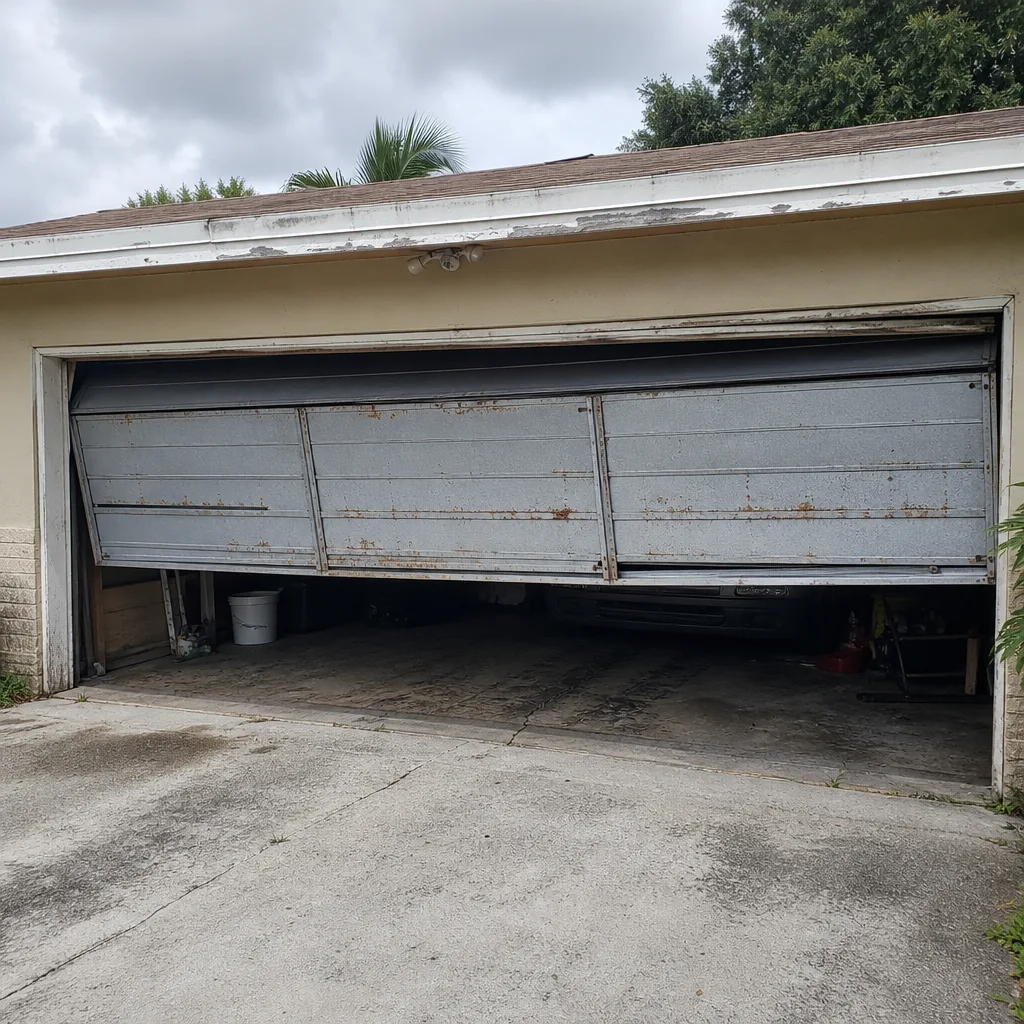 Before
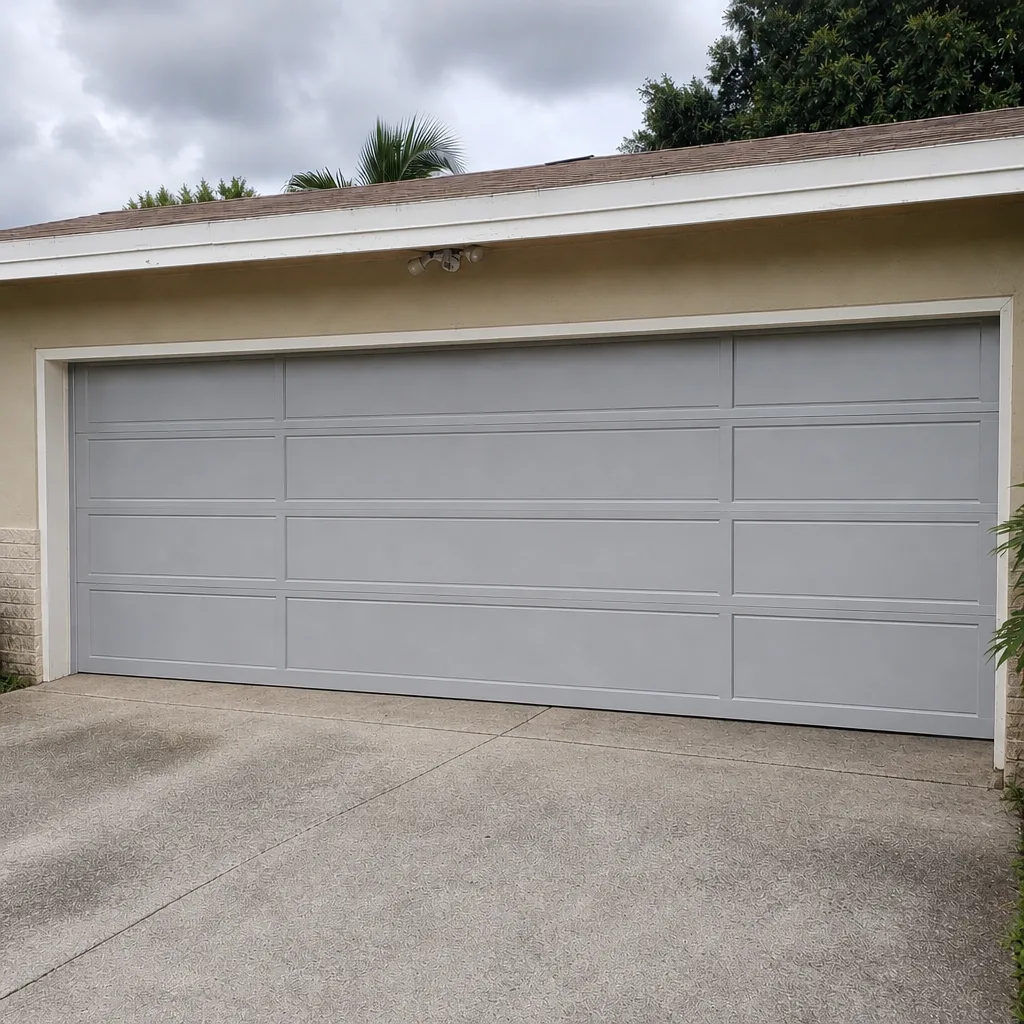 After
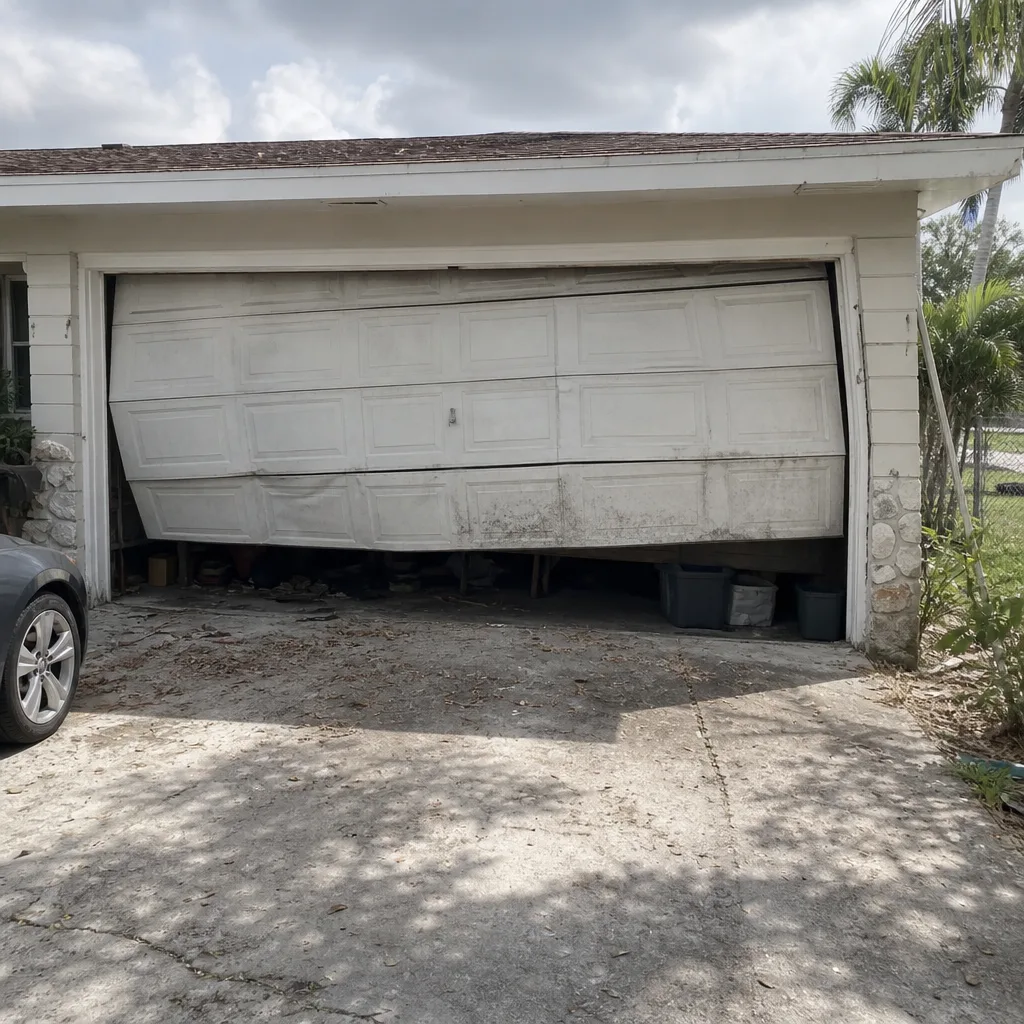 Before
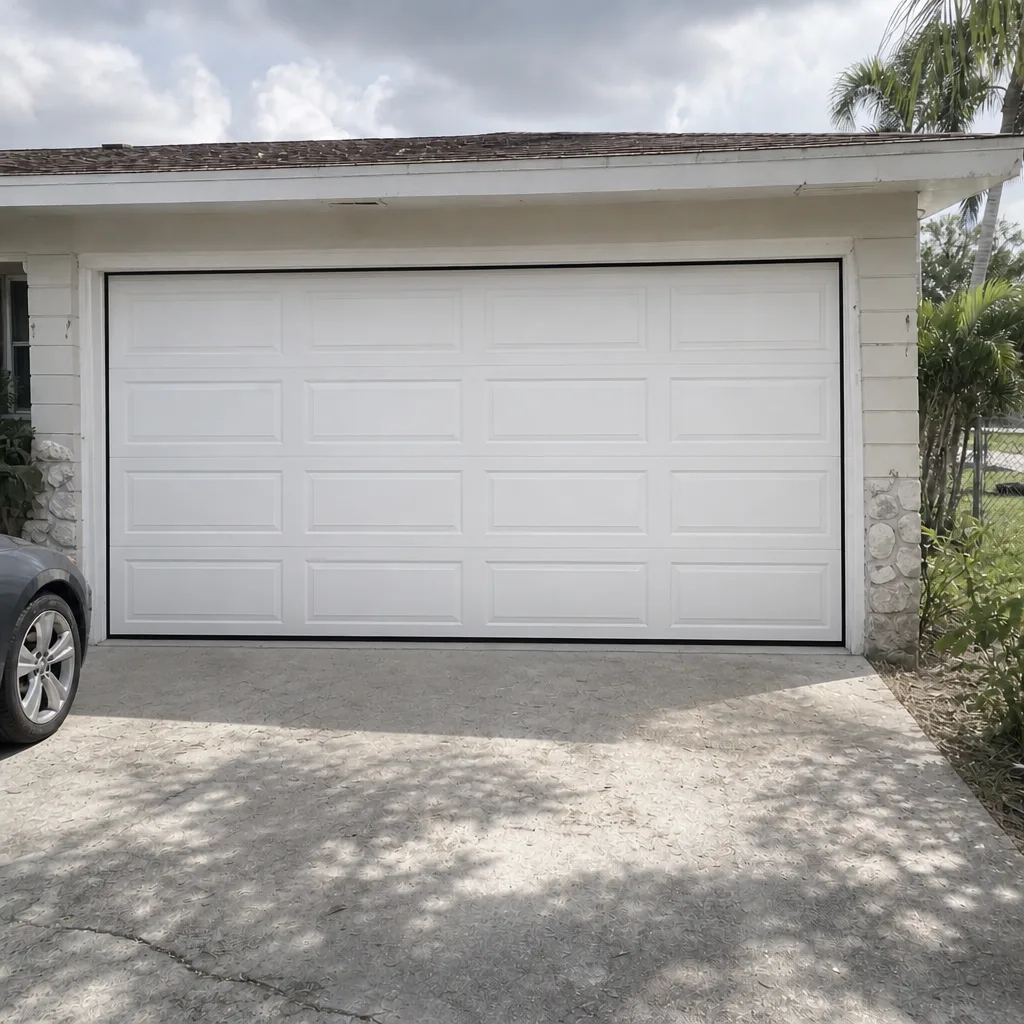 After
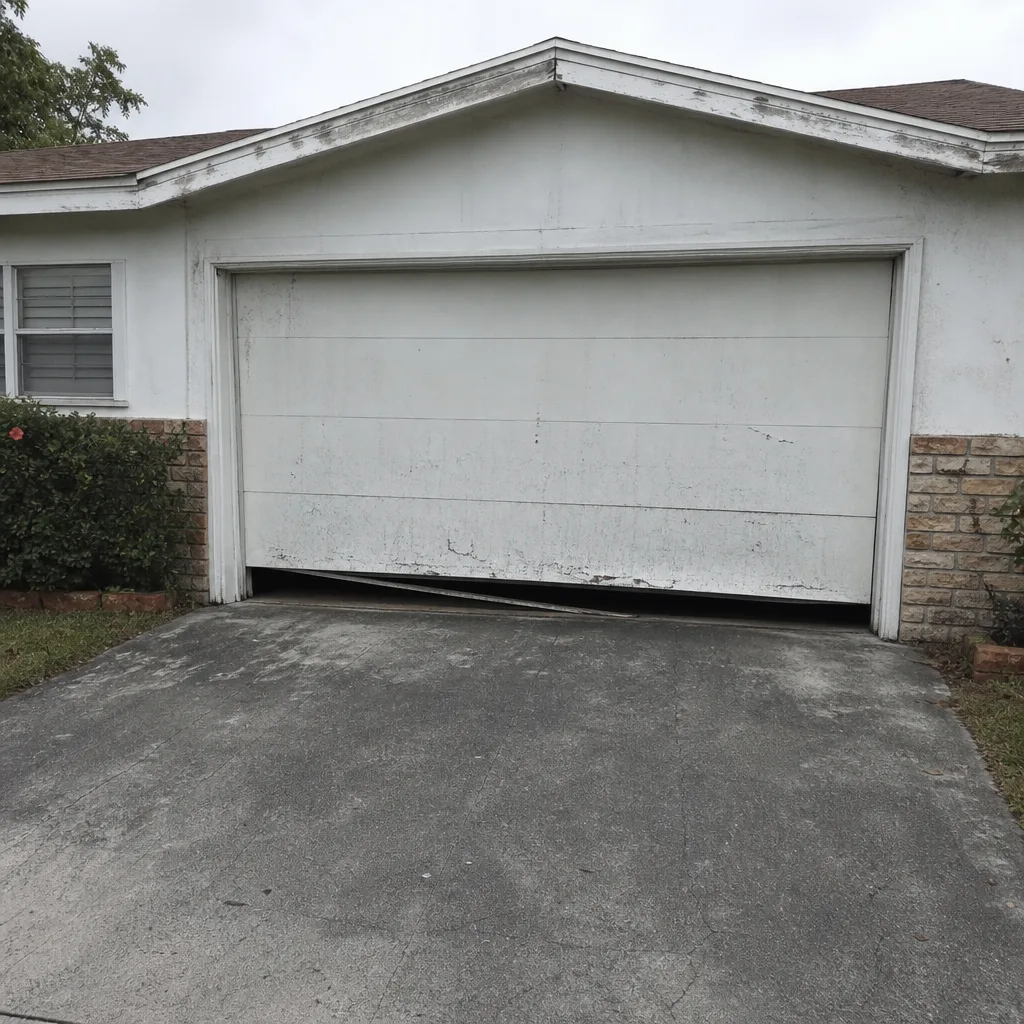 Before
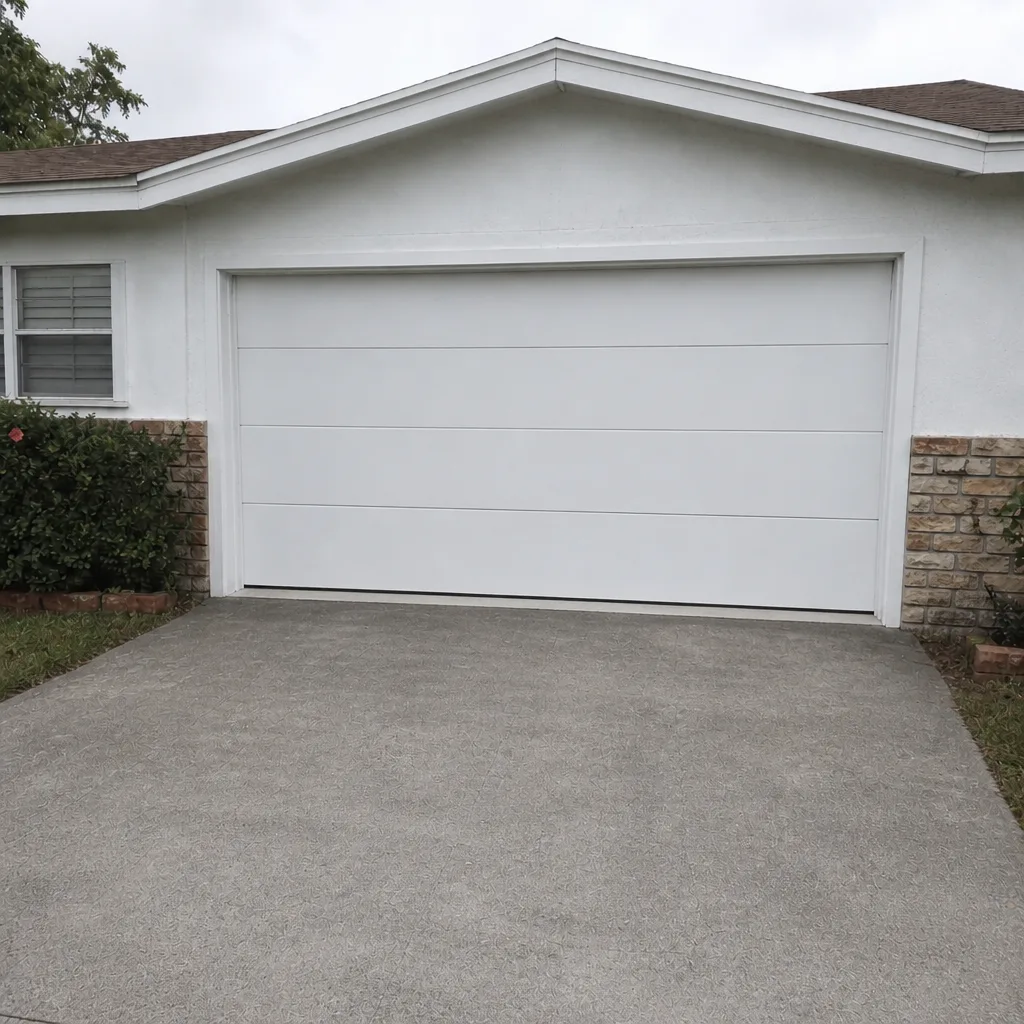 After
When to Call a Professional
Some garage door work is a Saturday morning task, and some of it genuinely isn’t. Call a professional when a torsion or extension spring looks wrong or has failed, when the door won’t stay balanced or feels heavy, when a track is bent or a roller is out of its channel, or when the opener stops reversing or behaves erratically after a power event. Call us right away if a car is trapped inside or a door has come off its tracks. Pompano Beach Garage Door Repair Pros offers free estimates in Pompano Beach, call (844) 840-1565. We handle torsion and extension spring work, repair across LiftMaster, Chamberlain, Genie, and Raynor openers, and emergency service when a failure can’t wait for business hours.
Frequently Asked Questions
Plan for a light check each month and a full tune-up once a year in the November-to-April dry season. Add a May hurricane-prep checklist before each storm season and a post-storm inspection after any named storm or strong squall line. That gives you three touchpoints a year plus monthly safety checks.
The dry season from November through April is the best window for painting, resealing, and replacing weatherstripping. Lower humidity lets coatings cure properly and helps sealants bond cleanly, which extends how long the job lasts.
Summer humidity swells wood framing and expands metal, which shifts the door’s balance and makes the springs work harder. A door that felt light in winter can feel heavy by August. That’s normal, but if the door is hard to lift by hand, have the springs checked by a professional.
Check the panels for dents and separation, confirm every roller is seated in its track, look for a gap or excessive stretch in the springs, and test the opener. If a spring or cable looks wrong, leave the door down and call a trained professional before running it.
It’s a smart addition if your opener supports one, and a lot of LiftMaster and Chamberlain models do. A charged backup lets the door open during an outage, which matters during storm season. Check the battery before each season and replace it if it doesn’t hold.
Yes. We’re certified to work on eight of the most widely installed garage door and opener brands, so a property manager with a mix of makes can handle the whole building with one call. You won’t need a separate vendor for each brand.
Whenever you’re ready for a check, a repair, or a full installation, call (844) 840-1565 for a free estimate. The price is quoted and agreed before any work starts, and the written estimate sets the final price.
The Bottom Line
Pompano Beach garage door care runs on three seasons, not four. Prep for hurricane season in May with a hardware, track, opener, and balance check. Run a full inspection after any storm, and respect the springs and cables, which are not a do-it-yourself job. Use the November-to-April dry window for the work that needs clean, dry conditions: paint, sealant, and weatherstripping. Year-round, protect the panels from UV and watch how the door feels as summer humidity builds. Follow that calendar and your door will stay quiet, safe, and ready for the year ahead.
Written by the team at Pompano Beach Garage Door Repair Pros.