Last updated November 22, 2026
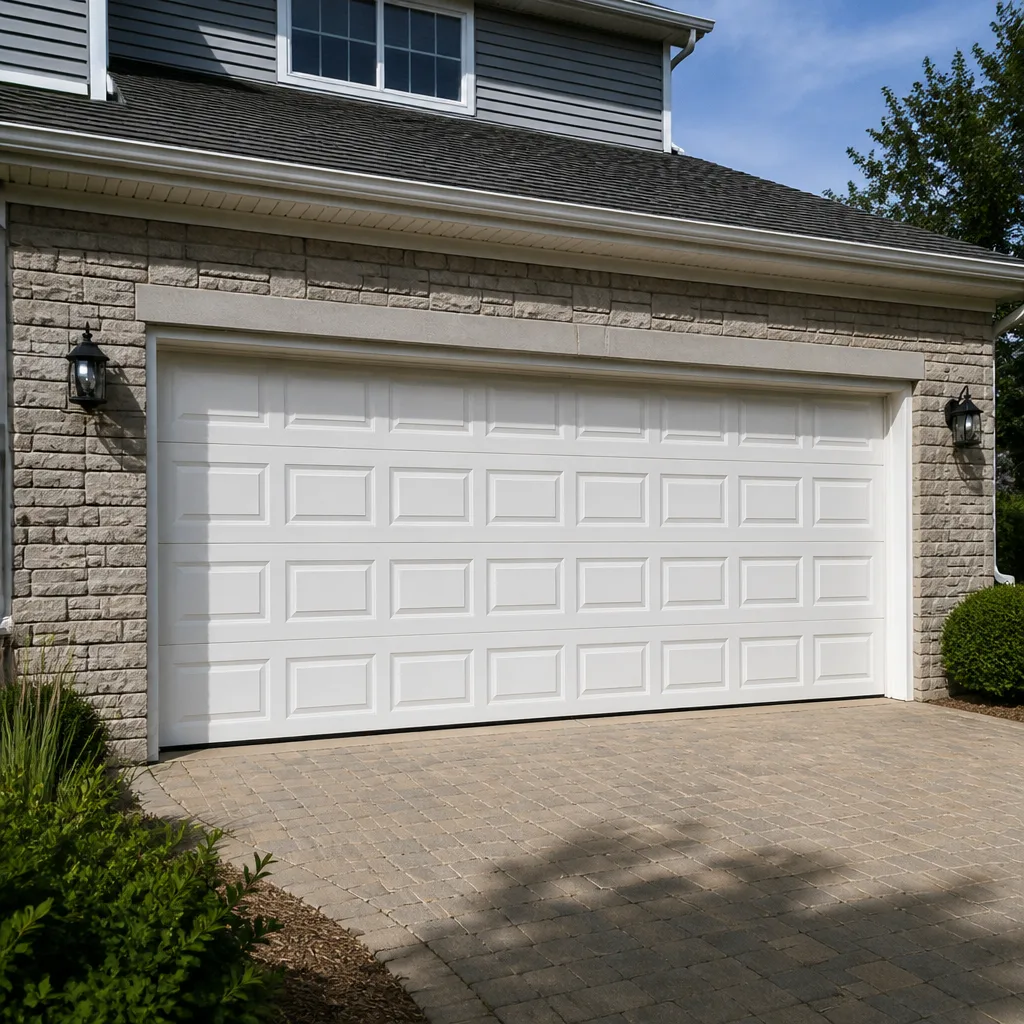 Raised-panel steel
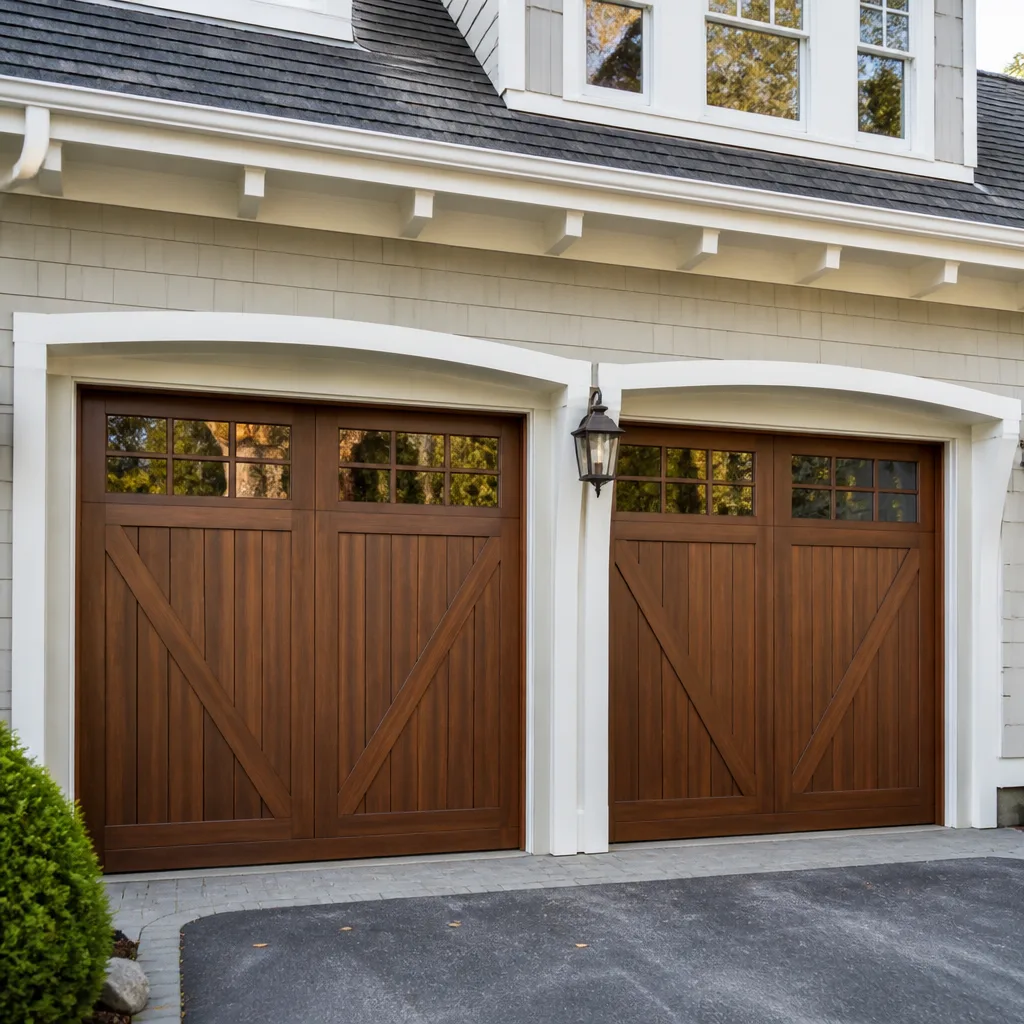 Carriage house
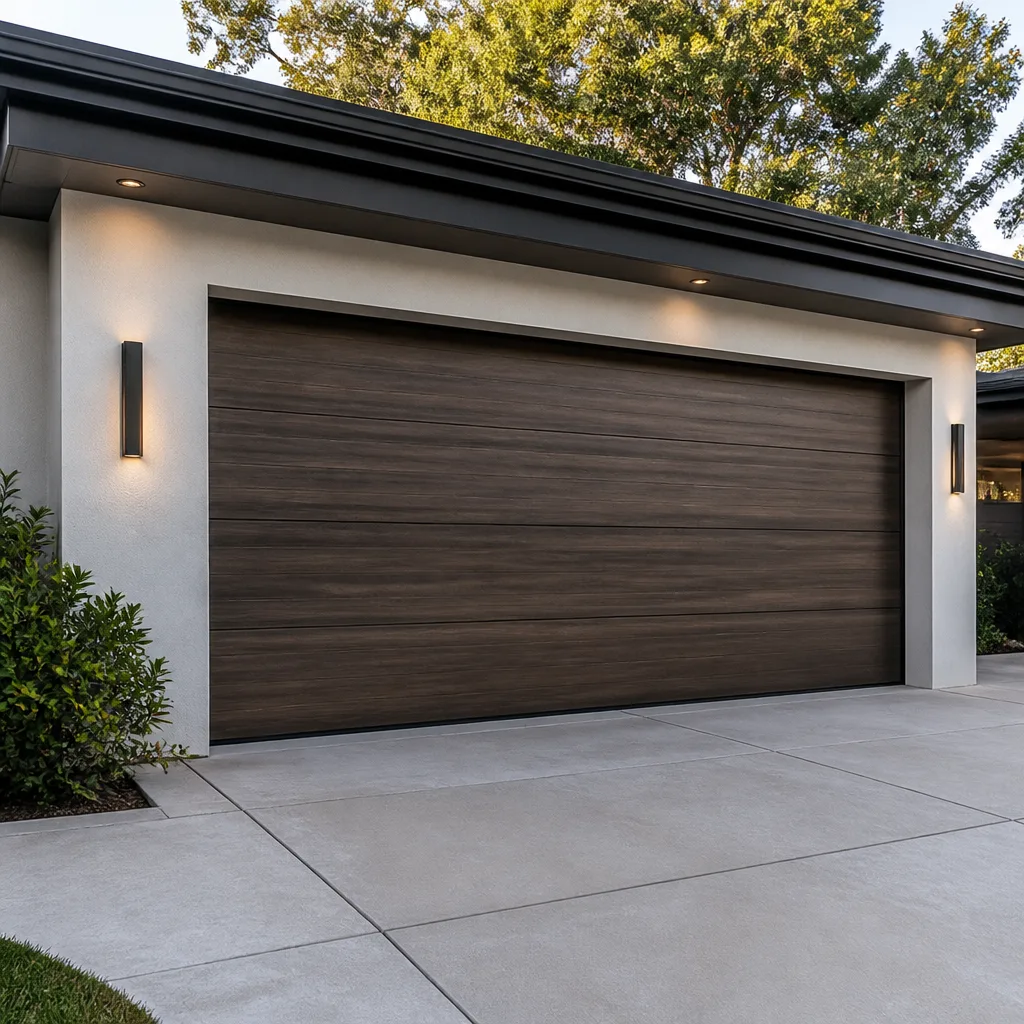 Modern flush
 Full-view glass
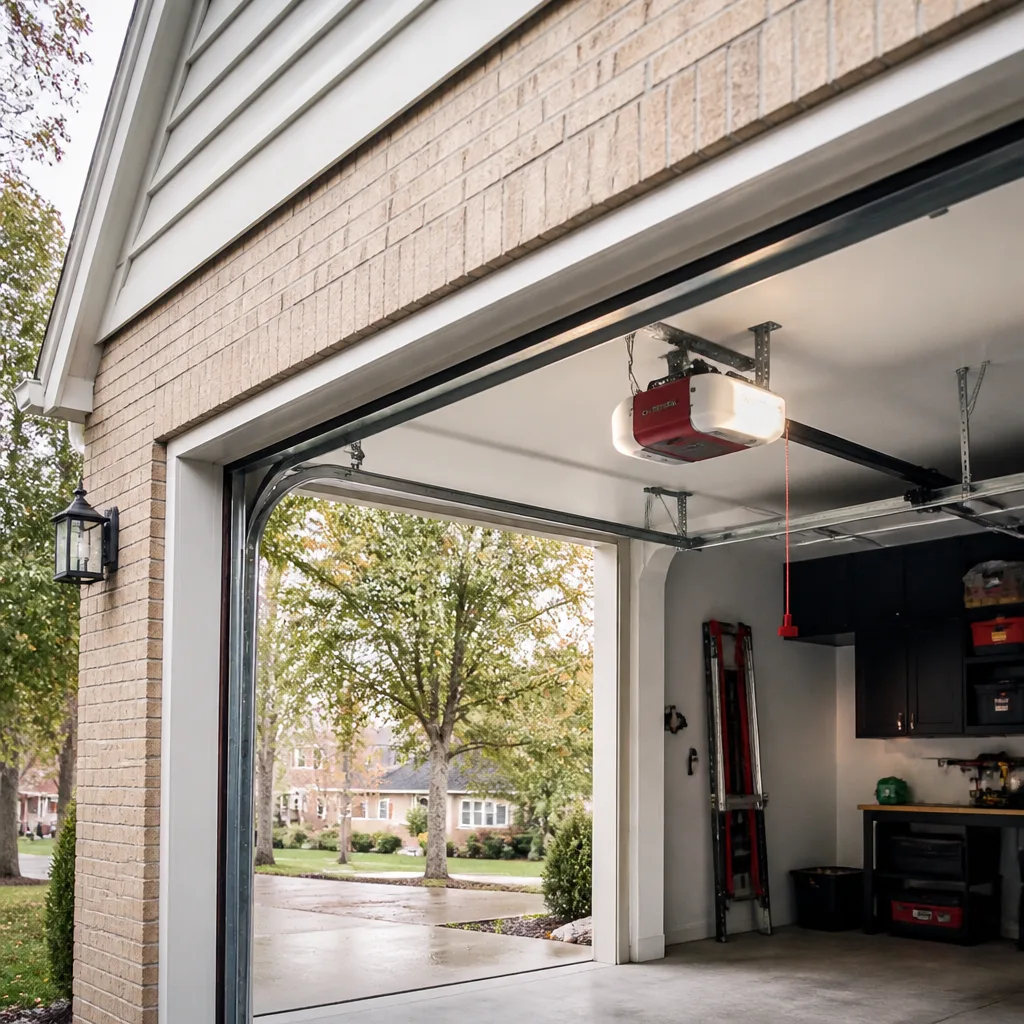 LiftMaster openers
 Chamberlain openers
Full 25-point door and opener safety check with every visit - springs, cables, rollers, tracks, and your LiftMaster or Chamberlain opener included
You get a price before we start. It does not change when the pro arrives.
Get your free estimateGarage Door Permits, Codes & Inspections in Pompano Beach, FL: What You Need to Know
If your garage door was replaced in the last ten years without a permit, there’s a real chance it doesn’t meet Broward County’s current wind-load standard, and your insurer may already know it. Most homeowners treat the permit as paperwork that happens after the real decision, when in fact the permit is the mechanism that decides whether the door you bought is rated to stay on its tracks when a storm pushes against it. In Pompano Beach, that rating matters more than in most of Florida. This guide walks through when a permit is actually required, what the code asks of your door, what an inspection checks line by line, and what it takes to make an unpermitted installation right.
Quick Answer
In Pompano Beach, replacing a garage door or changing its structural framing requires a building permit under the Florida Building Code, while routine repairs like spring swaps, roller changes, and opener replacements generally do not. The permit exists to verify that the new door and its track system meet the wind-load requirements for Broward County’s high-velocity hurricane zone. A licensed installer pulls the permit before the work starts, and a county or city inspector signs off once the door is anchored and labeled correctly.
Styles & brands we work with
- Raised-panel steel
- Carriage house
- Modern flush
- Full-view glass
- LiftMaster openers
- Chamberlain openers
Table of Contents
- When does a garage door need a permit in Pompano Beach?
- What wind zone does Pompano Beach fall in, and what does it require?
- What does a Broward County garage door inspection actually check?
- What happens if a previous owner installed a door without a permit?
- How do you pull a permit retroactively on an existing door?
- What’s the timeline and cost for a permit in Pompano Beach?
- Repair, replacement, or hardware swap: which one triggers a permit?
- How to choose an installer who handles the permit properly
When does a garage door need a permit in Pompano Beach?
A permit is required when you replace the entire garage door, replace or reconfigure the tracks, change the size of the opening, or alter the header and framing above the door. It’s also required when the door’s wind-load rating changes or when you upgrade from a non-rated door to a rated one. Those are the moments when the structure of the building meets the door, and that intersection is exactly what the code wants inspected.
Small repairs are a different story. If a torsion spring snaps, a cable frays, a roller wears out, or an opener dies, those jobs are considered maintenance and generally don’t require a permit. The same goes for swapping a wall-mounted keypad, replacing a safety sensor, or upgrading a remote. You’re restoring the door to its original condition, not changing what’s on the building.
What usually triggers the question in Pompano Beach is a full replacement. A homeowner near Old Pompano decides the 1990s door has finally had it, calls an installer, and gets asked whether they want the permit handled. The answer should always be yes. A door replacement without a permit leaves you with an installation that may or may not meet the wind-load standard, and no paperwork to prove either way.
The line gets blurrier with partial replacements. Replacing just the door panels on the existing track sometimes requires a permit and sometimes doesn’t, and it depends on whether the panels being installed carry their own wind-load approval for the existing track system. That’s a question to ask your local building department directly, and to have your installer confirm in writing before placing an order. When we quote a job in Pompano Beach, we spell out whether a permit is included in the scope, because it changes both the cost and the timeline.
What wind zone does Pompano Beach fall in, and what does it require?
Pompano Beach sits in Broward County’s Wind-Borne Debris Region, and the entire county is designated a high-velocity hurricane zone under the Florida Building Code. That designation is the strictest in the code. It means every new or replacement garage door installed on a home here has to be rated for the wind pressures that the code assigns to the specific building, based on its exposure, height, and design.
In practical terms, the code requires three things of a replacement door:
- A wind-load rating that meets or exceeds the pressure the code calculates for your home. This is expressed in pounds per square foot and shows up as a design pressure rating on the door’s product approval.
- Approved impact protection if the door has glazing. Windows in a garage door have to be impact-rated or protected by an approved shutter system. Non-rated glass in a wind-borne debris region doesn’t pass.
- Correct anchorage. The door’s tracks and brackets have to be fastened to the structure with the right anchors, spacing, and embedment called out in the installation instructions that accompany the door’s product approval. This is where most unpermitted installs fail inspection.
Door manufacturers publish a Florida product approval number for every model rated for use in the state. The approval document lists the design pressures the door can handle and the specific track and anchor configuration required to achieve them. When you buy a door without a permit, you often buy a door without checking that document against your home, and the two might not match. A door rated for a low-pressure inland home installed on a Pompano Beach property with high exposure doesn’t meet the code even though the door itself is quality.
This is where brand familiarity earns its keep. We work with Clopay, Amarr, and Wayne Dalton doors regularly, and each manufacturer organizes its product approvals differently. Being able to pull the right document and match it to your home’s wind pressure is what keeps an installation inside the code. It’s also the part a homeowner can’t easily verify on their own.
What does a Broward County garage door inspection actually check?
An inspection is not a general look at how the door operates. It’s a verification that the installed door matches the approved product, that the anchoring matches the approval document, and that the door is properly labeled. Inspectors arrive with the permit and product approval in hand and work through a fixed list.
- Confirm the door matches the approval. The inspector checks the model and product approval number on the door against the one listed on the permit application. A mismatched door fails, even if it’s rated for higher wind pressure.
- Check the label. Most approved doors carry a permanent label from the manufacturer showing the approval number and design pressure. If the label isn’t visible or is missing, the inspector may ask for the installation instructions or other documentation.
- Inspect track anchoring. Every bracket and track attachment point is checked for the correct anchor type, spacing, and embedment as described in the installation instructions. Lag screws into the wrong substrate or missing anchors are the most common failure.
- Verify the header attachment. The torsion bar and center bearing plate are checked for solid attachment to the framing above the opening. On masonry walls, the inspector wants to see the approved anchors, not masonry nails or adhesive.
- Test operation and safety features. The door must open and close smoothly, the opener’s safety reverse must function, and the photo-eye sensors must be installed correctly and aligned. On a manually operated door, the inspector checks balance and that the door stays in place when lifted partway.
- Check any glazing for impact rating. If the door has windows, the inspector confirms the glass carries the appropriate impact rating or that the approved protection is in place.
When the checklist clears, the inspector issues the final inspection and the permit closes. If something fails, the contractor corrects it and the job is re-inspected. In our experience, most failures come down to anchoring, not to the door itself, which is why the installation instructions matter as much as the door’s approval document.
What happens if a previous owner installed a door without a permit?
An unpermitted installation follows the property, not the person who installed it. When you sell the home, the door becomes a point of concern during the buyer’s inspection and appraisal, and the title company may ask for documentation if the door shows up in the county’s permit history as incomplete or missing. In some cases buyers simply ask for a credit to cover the cost of legalizing the door, and in others the deal can stall until it’s resolved.
Insurance is the second place it surfaces. An adjuster reviewing a storm claim will look at the door and its documentation. If the door wasn’t permitted and can’t be shown to meet the wind-load standard, the insurer may limit or exclude the portion of the claim related to the door and any water intrusion that came through or around it. That’s not a scare tactic. It’s how a policy that requires code-compliant construction gets applied after a loss.
There’s also the everyday risk. An unpermitted installation often means the door was installed by someone who didn’t check the wind-load match, didn’t pull the right anchors, or reused the old tracks when the new door’s instructions required fresh ones. That’s the kind of shortcut that operates fine for years and then reveals itself during a real storm. Safety features are another concern: if the opener was replaced alongside the door without proper adjustment, the safety reverse can fail, and that’s a real risk to anyone standing under the door.
If you’re buying or selling in Pompano Beach, ask for the permit and final inspection on the garage door specifically. If the seller can’t produce them, treat that as a negotiation point and get a professional to inspect the anchoring and label before closing. If you’re already in the home and suspect the door was installed without a permit, a licensed installer can often determine it by reading the label and examining the anchoring, and that inspection is the first step toward making it legal.
How do you pull a permit retroactively on an existing door?
Retroactive permitting is legal and common. The county’s goal is a compliant door, not a penalty, and there’s an established process for it. What makes it straightforward is having the door’s documentation on hand. What makes it complicated is when the door was installed without records and no longer matches a product that’s still sold.
- Identify the door and its product approval. Look for the manufacturer’s label on the inside of the door panel or on the bottom section. Note the model, the approval number, and the design pressure rating. If the label is gone, the installer can often identify the door from a photo and the door’s physical characteristics.
- Verify the door meets your home’s wind-load requirement. The installer compares the door’s design pressure against what the code requires for your property. If the door doesn’t match, the honest answer is that a replacement is cheaper than a retroactive permit that won’t pass.
- File the permit application. The application lists the door model, approval number, and the installation method, along with your property details. A licensed contractor typically files on your behalf.
- Schedule the inspection. Some municipalities want to inspect the installation as it stands. Others require the installer to verify or correct anchoring before the inspection. Either way, the inspection looks at what we described in the previous section.
- Complete corrections if needed. If the anchoring isn’t compliant, the installer brings it up to the door’s installation instructions and the inspection is scheduled again.
- Close the permit. Once the inspection passes, the county issues a final inspection and the door is legally permitted for permitting, resale, and insurance purposes.
In Pompano Beach, the process usually happens when a homeowner is getting ready to sell, or when an insurance carrier asks for documentation after switching policies. It can also happen after a storm claim, in which case the property has a deadline attached to the claim that the permit process may not accommodate. Getting ahead of it, before a sale or a claim, is always simpler.
What’s the timeline and cost for a permit in Pompano Beach?
Most garage door permits in Pompano Beach come through in a matter of days to a couple of weeks, with the timeline set by the city or county building department and by how quickly an inspection slot opens up. Permit fees are set by the jurisdiction and are typically a few hundred dollars, varying with the valuation of the work and the fee schedule in effect. On a full replacement, the permit usually rides along with the door installation, and the inspection happens after the door is hung and adjusted.
Here’s how a typical replacement with a permit breaks down in this market:
| Item | What it covers | Typical range |
|---|---|---|
| Permit fee | City or county review and one inspection | Set by the local building department; a few hundred dollars |
| Re-inspection (if needed) | Second visit after corrections | Set by the local building department |
| Door and installation | Door, tracks, hardware, labor, and anchoring | Quoted per job by written estimate |
| Retroactive permit | Application, review, inspection on an existing door | Set by the local building department, plus any corrective labor |
Our advice is to treat the permit fee as part of the door’s total cost, not as an add-on to negotiate away. A cheaper quote that skips the permit isn’t cheaper in the end, because the exposure sits on your property and your insurance claim. We quote the permit in writing along with the door and install so you can see the full scope before anything gets ordered. That written quote is the price, and it’s agreed before any work starts.
Prefer the real numbers for your home? Call (844) 840-1565 and we’ll walk through the door you’re considering, the wind-load requirement for your property, and the permit the city or county will want. Estimates are free.
Repair, replacement, or hardware swap: which one triggers a permit?
This is where most of the confusion lives, and it’s worth separating the categories clearly. The test is simple: are you changing the building or the structure of the door system, or are you restoring worn parts?
- Repair: no permit. Torsion or extension spring replacement, cable replacement, roller and hinge replacement, bearing plate replacement, and panel replacement that doesn’t change the wind-load rating. These restore the door to its previous condition.
- Hardware swap: no permit. Opener replacement, wall-mounted keypad installs, remote and Wi-Fi programming, safety sensor replacement, and photo-eye adjustments. These are on the electrical or control side and don’t touch the structure.
- Full replacement: permit. A new door, new tracks, and a new anchor pattern triggers a permit. The wind-load rating gets verified against the home.
- Size change or framing change: permit. Making the opening taller or wider, or changing the header, always requires a permit and usually structural review.
- Upgrading to a wind-rated door: permit. Even when you’re upgrading, the code wants the new rating verified on the building.
- Panel replacement with a different door model: permit. If the new panels change the door’s wind-load rating or are approved only for a different track system, you’re effectively installing a new door.
If you’re unsure which category your job falls into, the safest call is to ask the building department directly, and to ask your installer to confirm in writing. In our experience, homeowners who get that confirmation before placing an order avoid the whole retroactive-permit process, which exists mostly for the people who didn’t.
How to choose an installer who handles the permit properly
A permit is only as good as the person who pulls it, and the person pulling it needs the experience to translate the door’s product approval into the actual anchoring on your home. Ask three things before you sign anything, and be wary of anyone who hesitates on the answers.
- Will you pull the permit, or do I? A licensed installer should handle this as part of the job. If they ask you to pull it as an owner-builder, ask why, and understand that the inspection and any corrective work may fall back on you.
- Can I see the door’s product approval for my home? The door should carry a Florida product approval number, and the installer should be able to show you that the door’s design pressure meets what your home needs before the order is placed.
- Who schedules the inspection? The contractor should schedule it, meet the inspector, and handle any corrections. An installer who says “you’ll get a call from the county” and disappears after the door is hung isn’t a permit-handling installer.
- Are you familiar with my door brand’s documentation? Each manufacturer organizes its approvals differently, and a technician who’s worked across brands pulls the right document faster. We’re factory-familiar with eight of the most widely installed brands in the country, including LiftMaster, Chamberlain, Genie, and Raynor, and that familiarity matters on the permit side as much as it does on the repair side.
- Is the permit in the written quote? It should be, with a clear line showing the fee. A quoted price that quietly omits the permit is a red flag.
If you’ve got a door that needs repair rather than replacement, that conversation is a different one. Our garage door repair work covers springs, cables, rollers, and panels, and we can assess whether a repair is the right call or whether the door has reached the point where replacement (and permitting) makes more sense.
Common Mistakes to Avoid
- Assuming a permit isn’t needed because the last door “worked fine.” A door that opens and closes smoothly can still miss the wind-load standard, and the code cares about the rating, not the operation. Function is not the test.
- Buying a door online and hiring a handyman to install it without a permit. The door may be rated, but if the anchoring doesn’t match the installation instructions and no permit covers the job, the rating is theoretical. Insurers won’t accept a rating the installation doesn’t support.
- Reusing old tracks on a new door. Many replacement doors require new tracks and anchors that differ from the previous system. Reusing the old track can void the door’s approval for your home and fail inspection.
- Skipping the permit because a neighbor didn’t pull one. Unpermitted installations are common in older Pompano Beach neighborhoods, but that doesn’t make them legal or insurable. When a claim or sale comes up, the neighbor’s shortcut doesn’t help yours.
- Letting the installer talk you out of the permit to “save time.” The permit is what makes the door legally compliant for insurance and resale. Anyone who treats it as a nuisance is telling you how they handle everything else.
- Ignoring the label. The manufacturer’s label on the door is the first thing an inspector checks and the first thing an adjuster asks for. If it’s missing, find the approval documentation before it becomes urgent.
- Waiting until after a storm to think about permitting. Storm claims move on their own timeline and don’t wait for retroactive permit reviews. Getting the paperwork in order beforehand keeps a claim from getting complicated.
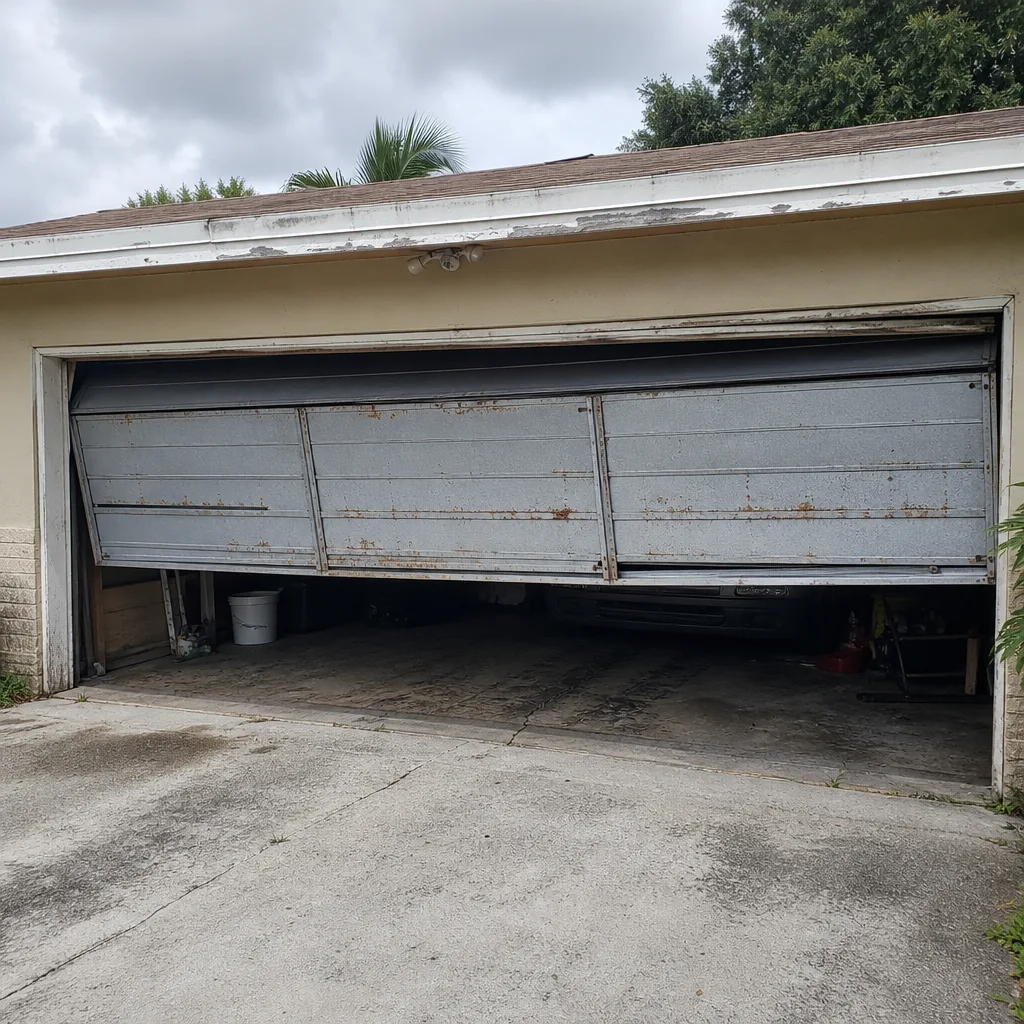
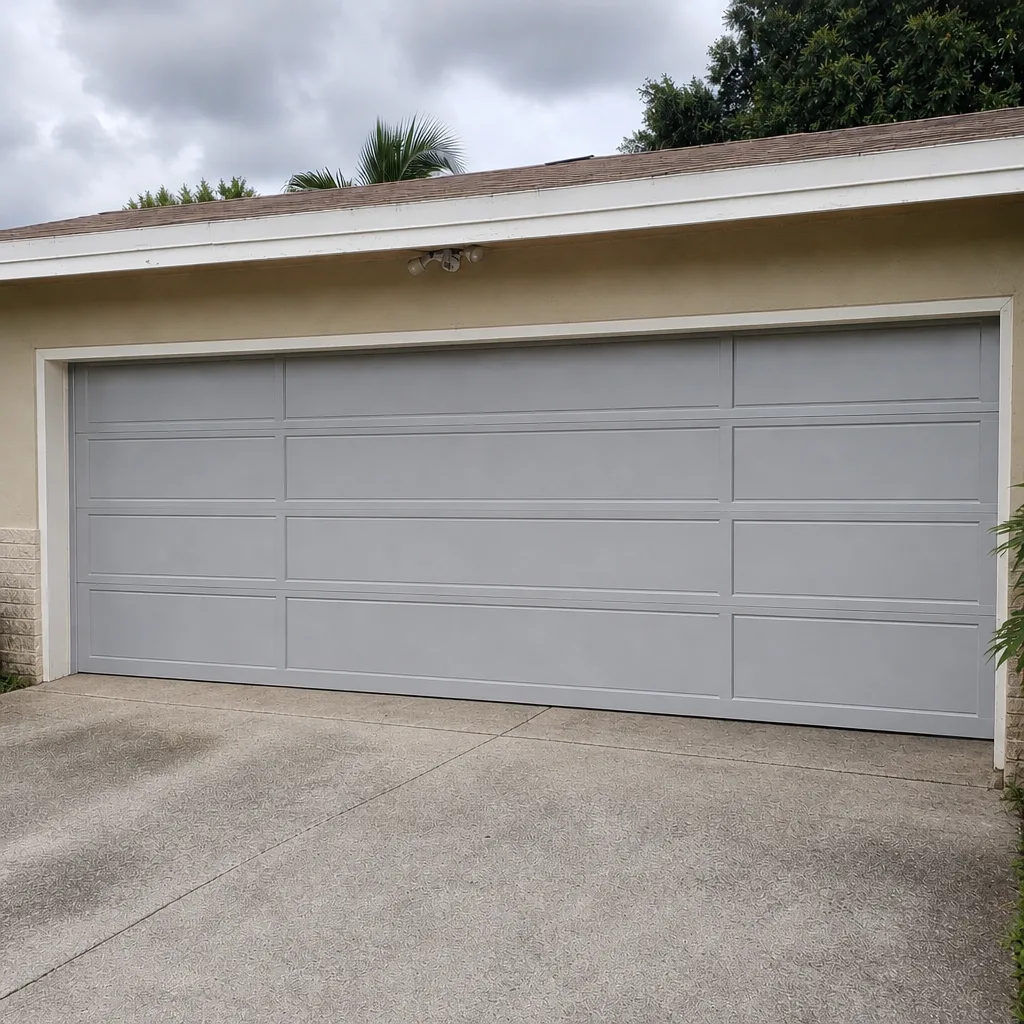
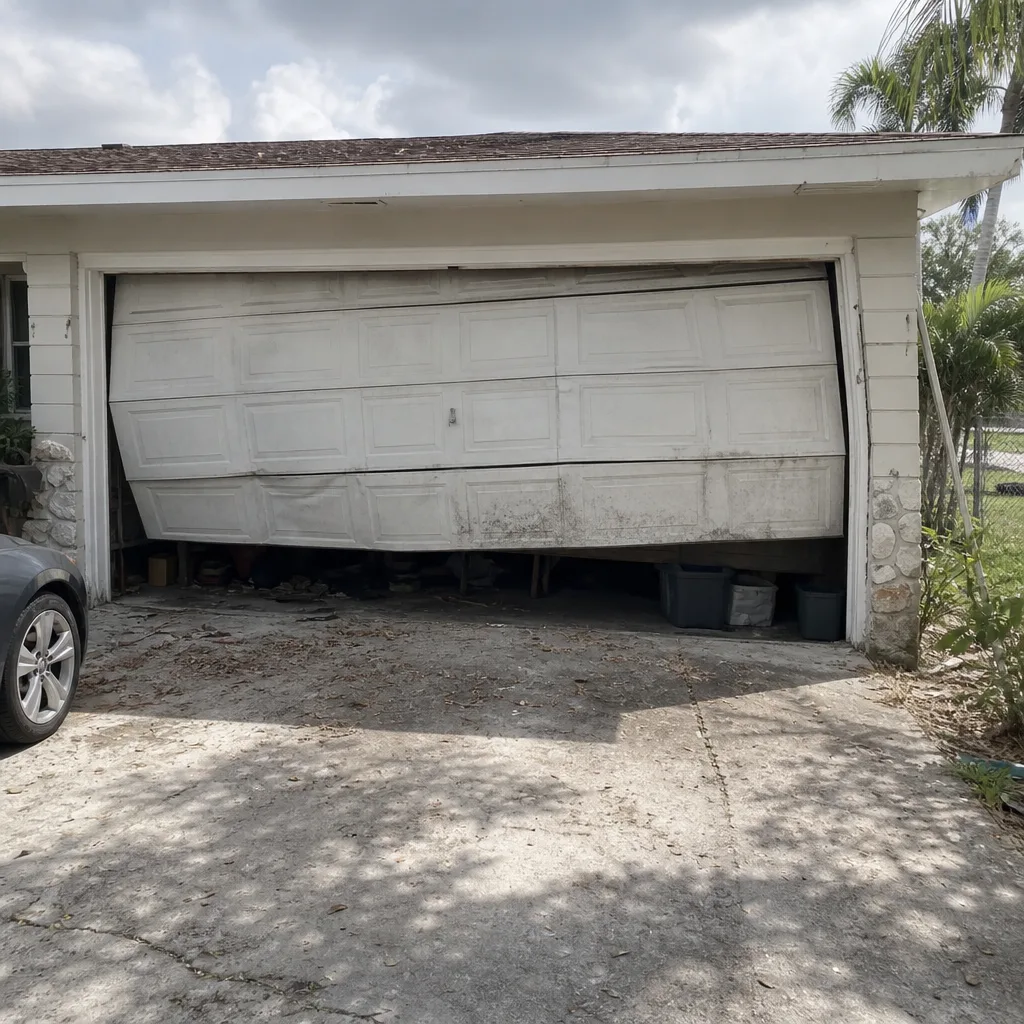
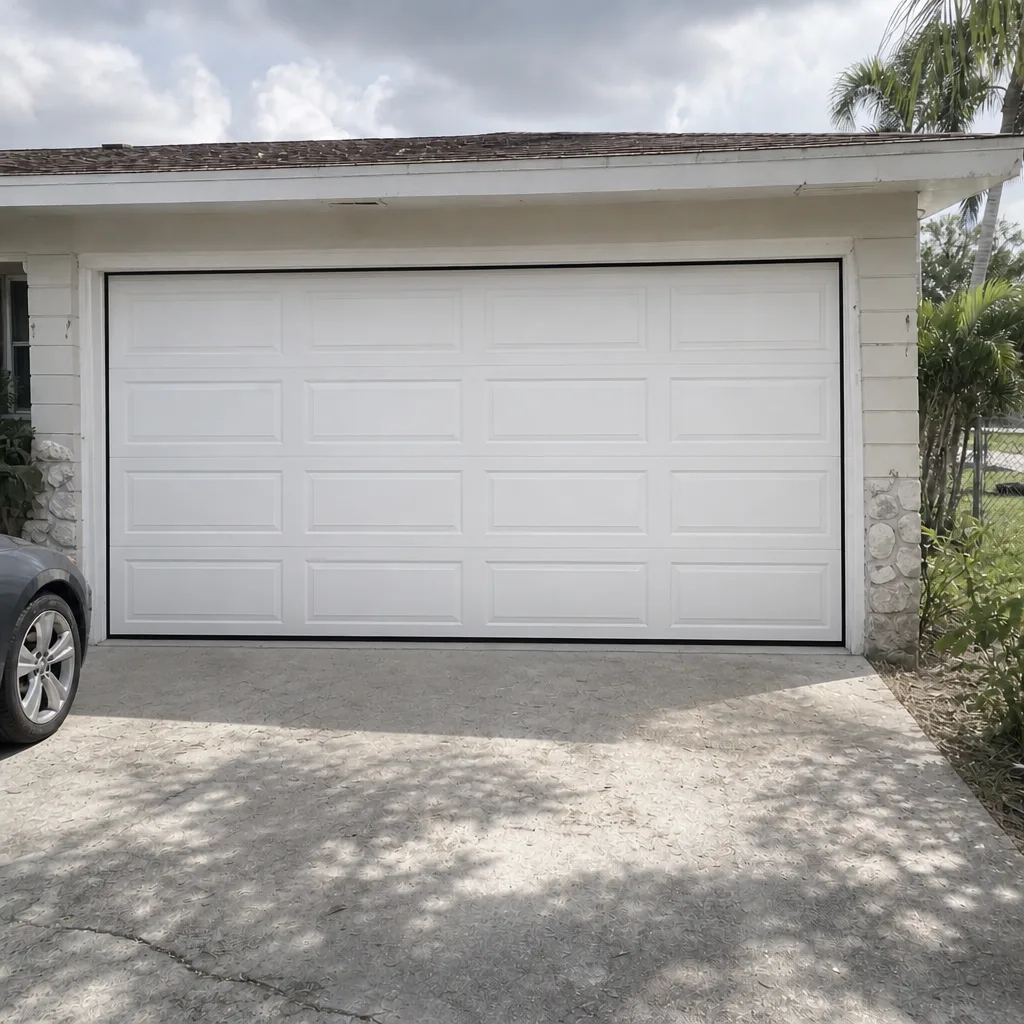
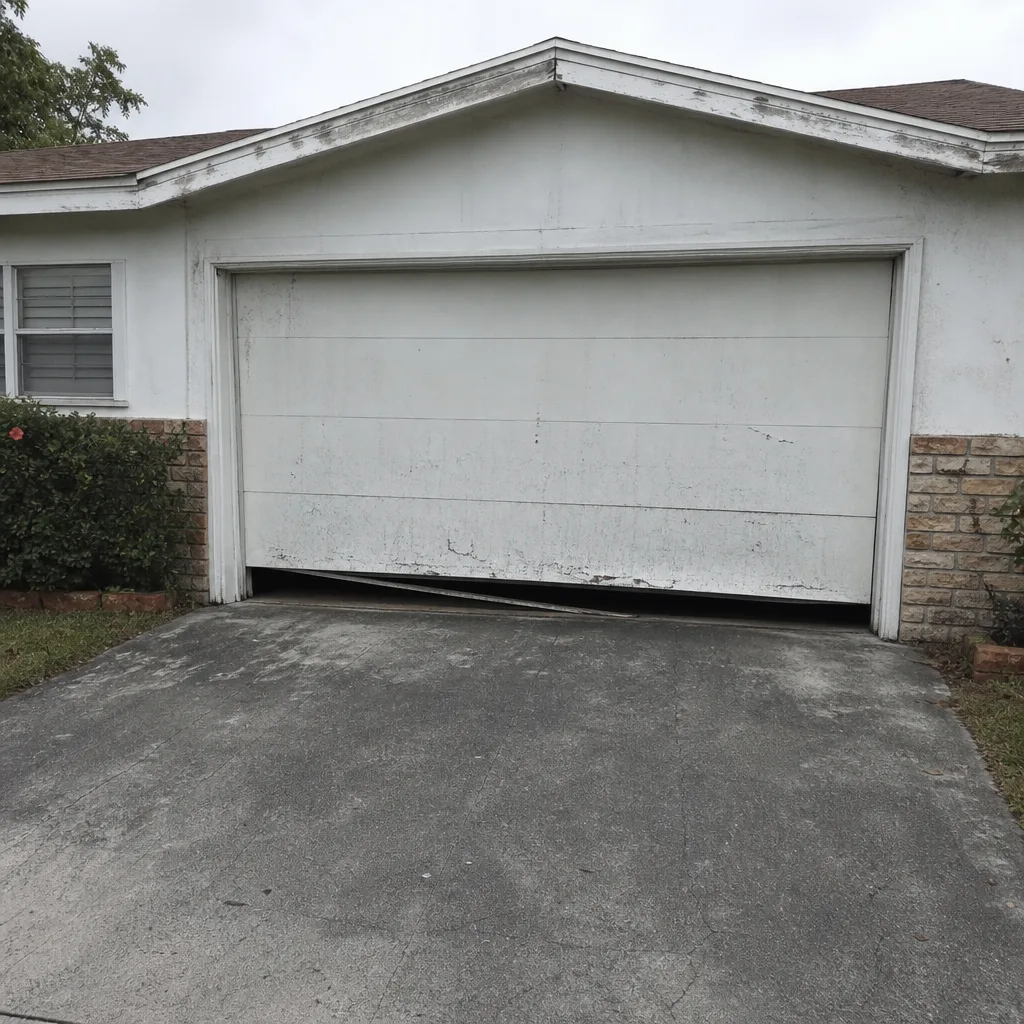
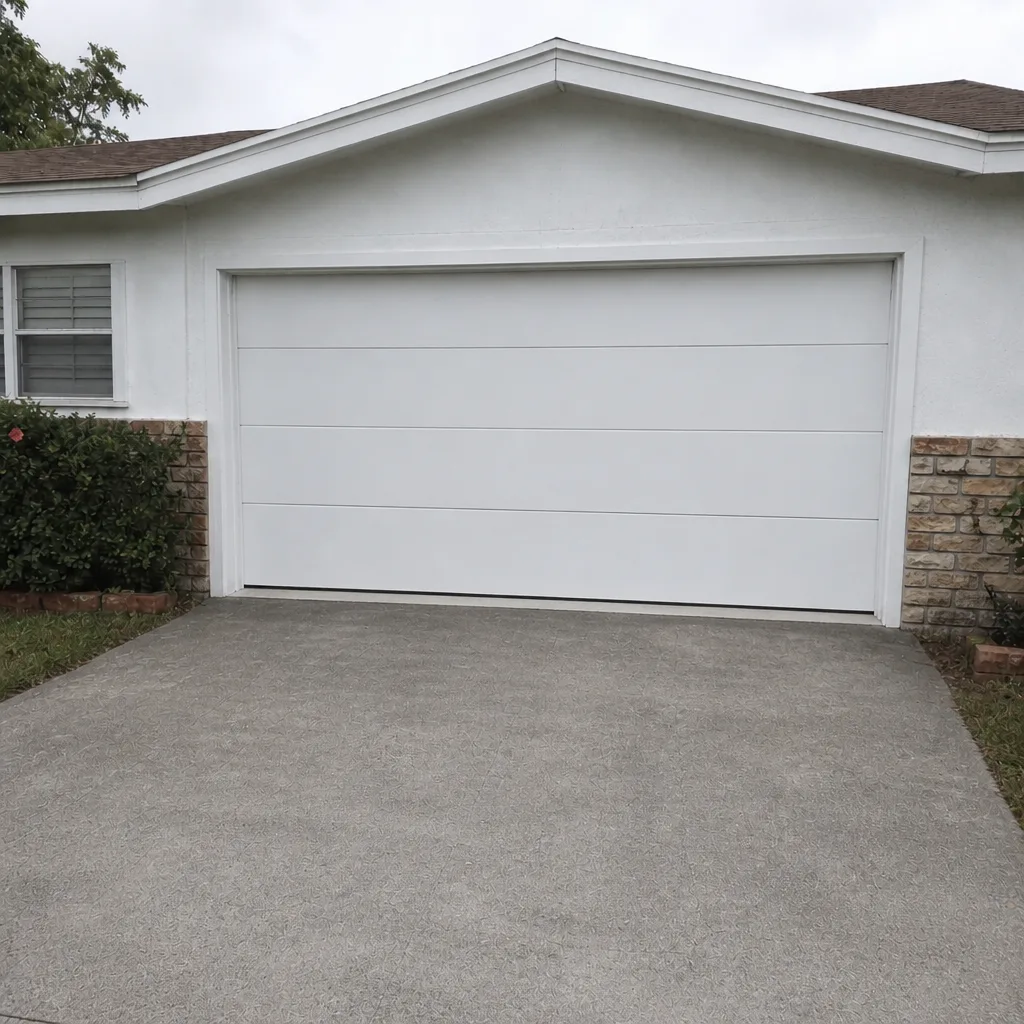
See the difference
 Before
 After
 Before
 After
 Before
 After
When to Call a Professional
Call a professional when the door is being replaced, when you’re buying or selling a Pompano Beach home with a door of unknown history, when an insurance carrier asks for documentation, or when a repair turns out to involve tracks and anchoring rather than just parts. Call immediately if a spring breaks or a door comes off its track, because torsion and extension springs are under extreme tension and the wrong adjustment can cause serious injury. Call us when you’re planning a replacement so the permit and wind-load verification are handled from the start rather than retrofitted afterward. Pompano Beach Garage Door Repair Pros offers free estimates in Pompano Beach – call (844) 840-1565. Our technicians have up to 10 years of experience, and we handle the full job, including the permit documentation that goes with a compliant installation. If you want the bigger picture of our services, start with Pompano Beach Garage Door Repair Pros.
Frequently Asked Questions
Yes. Replacing a garage door in Pompano Beach requires a building permit because the code has to verify that the new door meets Broward County’s wind-load requirement for your home. Repairs like spring swaps and opener replacements generally don’t require a permit. Call (844) 840-1565 for an exact quote – estimates are free.
Broward County is in the Florida Building Code’s high-velocity hurricane zone, so every new or replacement door has to carry a design pressure rating that meets or exceeds the pressure calculated for your specific home. The number varies with the home’s exposure and height, which is why the door’s product approval has to be matched to the property rather than chosen generically. Call (844) 840-1565 with your address and we’ll walk through what applies.
Permit fees are set by the city or county building department and typically run a few hundred dollars, depending on the valuation of the work and the fee schedule in effect. The permit is quoted in writing along with the door and installation so you can see the full scope before anything is ordered. Call (844) 840-1565 for an exact quote – estimates are free.
No. We quote the door, installation, and permit in writing before any work starts, and that written price is the price. If something unexpected shows up underground or behind the wall during the install, we stop and talk to you about the change before proceeding. Call (844) 840-1565 for an exact quote – estimates are free.
Yes. Retroactive permitting is a normal process in Broward County when the door is a rated product that matches your home’s wind-load requirement. The installer identifies the door, confirms the approval, files the application, and schedules the inspection. If the anchoring doesn’t match the installation instructions, corrections are made before the re-inspection. Call (844) 840-1565 to set up an assessment, or see our garage door installation page for details.
The local professionals we connect you with are licensed and insured as their state requires, and permitted work is pulled by a licensed contractor. Ask for the license documentation before work begins, and request the permit number once the application is filed. Call (844) 840-1565 for an exact quote – estimates are free.
You can still get the door verified and permitted if it’s a rated product that matches your home’s wind-load requirement. The first step is identifying the door and reading its label or approval documentation, which an experienced technician can usually do on a visit. If the door turns out to be unrated or incompatible, a replacement is often the cleaner path. Our garage door opener repair and installation teams can check both the door and the opener setup in one visit.
The Bottom Line
A garage door permit in Pompano Beach is not bureaucratic busywork. It’s how the code confirms that your door is rated to stay on its tracks during a storm, and it’s how your insurer and a future buyer will judge the installation. Replacement and structural changes need a permit; springs, rollers, and openers generally don’t. If you bought a home with a door of unknown history, a licensed installer can verify it and, if needed, pull a retroactive permit to make it compliant. Handle the paperwork before a sale, a claim, or a storm forces the question. Call (844) 840-1565 for a free estimate, and we’ll get your Pompano Beach door compliant and working the way it should.
Written by the team at Pompano Beach Garage Door Repair Pros.